Summary
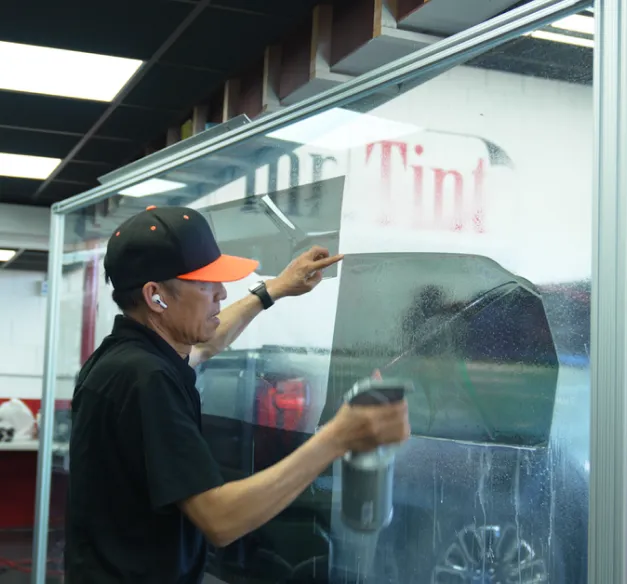
Residential window tint is a thin protective film installed on home windows to help reduce heat, block harmful UV rays, improve privacy, reduce glare, and protect furniture, flooring, artwork, and fabrics from sun fading. For San Jose homeowners, window tinting can make rooms more comfortable, improve energy efficiency, and create a more private living space without replacing the windows. Mister Tint offers professional residential window tinting in San Jose with options such as solar control film, privacy film, anti-glare film, UV-blocking film, and energy-efficient window film.
Residential Window Tint in San Jose: Improve Comfort, Privacy, and Energy Efficiency at Home
Natural light can make a home feel open, warm, and inviting. But too much sunlight can also create problems. Rooms can become hot and uncomfortable. Glare can make it difficult to watch TV or work on a computer. UV rays can fade furniture, hardwood floors, carpets, curtains, artwork, and other interior finishes. Large windows can also make your home feel less private.
Residential window tint is a smart solution.
With professionally installed home window film, San Jose homeowners can enjoy the benefits of sunlight while reducing the problems that come with it. Window tint can help control heat, improve privacy, reduce glare, block UV rays, and make your living space more comfortable throughout the day.
At Mister Tint in San Jose, residential window tinting is designed to help homeowners improve comfort, protect interiors, and upgrade the look and performance of their windows.
What Is Residential Window Tint?
Residential window tint is a thin film applied to the interior surface of home windows. Once installed, the film helps manage sunlight, heat, glare, privacy, and UV exposure.
Unlike curtains or blinds, window film works directly on the glass. It can reduce the harsh effects of sunlight while still allowing natural light into your home. Depending on the film you choose, residential tint can be clear, lightly shaded, reflective, frosted, decorative, or privacy-focused.
Residential window tint is commonly used on:
Living room windows
Bedroom windows
Bathroom windows
Home office windows
Sliding glass doors
Patio doors
Large front-facing windows
South-facing and west-facing windows
Glass doors near entryways
Windows with direct afternoon sun
For many homeowners, window tint is a practical upgrade that improves daily comfort without requiring a major renovation.
Why San Jose Homes Benefit from Window Tint
San Jose gets plenty of sunshine, which is great for outdoor living but not always ideal inside the home. Direct sunlight can make certain rooms hotter than others, especially during afternoon hours. Large windows can also expose furniture, flooring, and decor to constant UV damage.
Residential window tint helps solve these common issues by giving homeowners better control over sunlight.
If your home has rooms that feel too hot, too bright, or too exposed, window tint can make a noticeable difference. It is especially helpful for homes with large windows, open floor plans, upstairs bedrooms, home offices, and rooms that face direct sunlight for several hours a day.
Main Benefits of Residential Window Tint
1. Better Heat Control
One of the biggest reasons homeowners choose residential window tint is heat reduction. Sunlight coming through windows can raise indoor temperatures and make certain rooms uncomfortable.
Solar control window film helps reduce heat transfer through glass. This can make your home feel cooler and more balanced, especially in rooms that get strong direct sun.
For San Jose homeowners, this can mean a more comfortable living space during warm days and less dependence on air conditioning.
2. Improved Energy Efficiency
When rooms overheat, your air conditioning system has to work harder. Residential window tint can help reduce solar heat gain, which may support better energy efficiency.
While results depend on your home, window layout, film type, and HVAC system, energy-efficient window film can help reduce the strain caused by direct sunlight. Over time, this can contribute to a more comfortable and efficient home environment.
Window tint is especially useful for homes with large glass areas, older windows, or rooms that heat up faster than the rest of the house.
3. UV Protection for Your Family and Interiors
UV rays are one of the main causes of fading and sun damage inside the home. Over time, sunlight can affect:
Hardwood flooring
Carpet
Rugs
Sofas
Chairs
Curtains
Blinds
Artwork
Photos
Cabinets
Decorative fabrics
Residential window tint helps block harmful UV rays before they reach your interiors. This helps protect the look and condition of your furniture, flooring, and decor.
For homeowners who have invested in quality interiors, UV-blocking window film is a smart layer of protection.
4. Reduced Glare
Glare can make everyday activities frustrating. It can reflect off TV screens, computer monitors, tablets, phones, and shiny surfaces. This is especially common in living rooms, bedrooms, and home offices with large windows.
Anti-glare window film helps soften harsh sunlight and reduce brightness. This makes it easier to watch TV, work from home, read, or relax without constantly closing blinds.
If you have a home office in San Jose, anti-glare window tint can make your workspace much more comfortable.
5. Enhanced Privacy
Privacy is another major reason homeowners choose residential window tint. If your windows face a street, sidewalk, neighbor’s home, driveway, or shared outdoor area, you may feel exposed during the day.
Privacy window film helps create a more private living space while still allowing natural light to enter. Frosted, opaque, reflective, or decorative films can be used in areas where privacy matters most.
Popular privacy tint locations include:
Bathrooms
Bedrooms
Front entry windows
Street-facing windows
Sliding glass doors
Side-yard windows
Home office windows
Privacy film can also make your home feel more secure and comfortable without keeping blinds closed all day.
6. Reduced Interior Fading
Sun fading can slowly damage the appearance of a home. Flooring can become uneven in color. Furniture can lose richness. Fabrics can weaken. Artwork and photos can become faded or discolored.
Residential window tint helps reduce fading by limiting UV exposure and harsh sunlight. It is a simple way to help preserve the beauty of your home’s interior.
This is especially helpful in sunny rooms with expensive furniture, custom flooring, or meaningful artwork.
7. A Cleaner, More Modern Look
Window tint can also improve the appearance of your home. Depending on the film, it can give windows a cleaner, more uniform, and more modern look from the inside and outside.
Homeowners can choose from subtle clear films, lightly tinted films, reflective finishes, frosted privacy styles, and other options based on the design of the home.
The right film can improve comfort while still matching your home’s style.
Types of Residential Window Tint
Different homes need different window film solutions. The best choice depends on your goals, your window layout, and how each room is used.
Solar Control Window Film
Solar control window film is designed to reduce heat and glare. It helps keep rooms cooler and more comfortable, especially where direct sunlight enters for long periods.
Best for:
Living rooms
Bedrooms
Sun-facing windows
Large glass doors
Upstairs rooms
Rooms that get too hot
Solar control film is a great choice if your main concern is heat reduction.
Privacy Window Film
Privacy window film helps block or limit visibility through glass. It is often used in areas where homeowners want natural light without feeling exposed.
Best for:
Bathrooms
Bedrooms
Entryway windows
Street-facing windows
Side-yard windows
Glass doors
Privacy films can include frosted, opaque, reflective, or decorative styles.
Anti-Glare Window Film
Anti-glare window film helps reduce harsh brightness from sunlight. It is especially useful in rooms where screens are used often.
Best for:
This type of film can make daily activities more comfortable without fully blocking natural light.
UV-Blocking Window Film
UV-blocking window film is designed to protect your home and interiors from ultraviolet rays. It helps reduce sun damage to flooring, furniture, fabrics, artwork, and decor.
Best for:
If your main concern is fading, UV-blocking film is a strong choice.
Energy-Efficient Window Film
Energy-efficient window film helps improve the performance of your windows by reducing heat transfer. This can support better indoor comfort and may help reduce cooling demand during warm weather.
Best for:
This option is ideal for homeowners who want comfort and efficiency together.
Residential Window Tint vs. Curtains and Blinds
Curtains and blinds are useful, but they have limits. They can block light and add privacy, but they often make rooms darker. They also do not always solve heat, glare, or UV problems as effectively as a proper window film.
Residential window tint works directly on the glass, so it helps reduce sun problems while preserving more natural light.
In many homes, window film works well alongside curtains and blinds. The tint handles heat, UV, and glare, while blinds or curtains provide nighttime privacy and design style.
Is Residential Window Tint Worth It?
Residential window tint is worth it for homeowners who want more comfort, privacy, UV protection, and energy efficiency without replacing their windows.
It is especially worth considering if:
Some rooms get too hot
Your furniture or floors are fading
You want more daytime privacy
You work from home and struggle with glare
Your windows face the street or neighbors
You want to reduce harsh sunlight
You want a cleaner, more modern window appearance
You want to improve comfort without a major remodel
Window tint is a practical home upgrade because it improves how your home feels every day.
Why Professional Installation Matters
Residential window tint should be installed carefully for the best results. Poor installation can lead to bubbles, peeling, dirt under the film, uneven edges, or a finish that does not look clean.
Professional installation helps ensure the film is measured, cut, applied, and finished correctly. It also helps you choose the right product for each room.
At Mister Tint, the process starts with a consultation to understand your goals. Whether you want heat reduction, privacy, UV protection, glare control, or energy efficiency, the team can help recommend the right film for your home.
Why Choose Mister Tint for Residential Window Tint in San Jose?
Mister Tint has served San Jose and the Bay Area for more than 25 years, helping customers improve comfort, privacy, protection, and style with professional window tinting services.
For residential window tinting, Mister Tint offers a free, no-obligation consultation to understand your home, answer your questions, and help you choose the right film. Their experienced technicians handle installation with care and precision so your windows look clean and perform properly.
Whether you want to cool down a sunny room, protect your furniture, reduce glare in a home office, or improve privacy, Mister Tint can help you find the right residential window film solution.
Make Your Home More Comfortable with Residential Window Tint
Your home should feel comfortable, private, and protected. If sunlight is creating heat, glare, fading, or privacy issues, residential window tint can make a major difference.
With the right window film, you can enjoy natural light while reducing the problems that come with direct sun exposure.
Ready to improve your home with residential window tint in San Jose?
Contact Mister Tint today to schedule your free consultation.
Sources / Citations