Is Ceramic Coating Worth It for New Cars? A Real-World Cost Guide
Discover if ceramic coating is worth it for your new car. Compare real costs, see long-term paint protection benefits, and stop wasting money on wax.
Read articleEvaluating the colored paint protection film cost? Learn if this dual-purpose premium film is worth the investment for your vehicle.
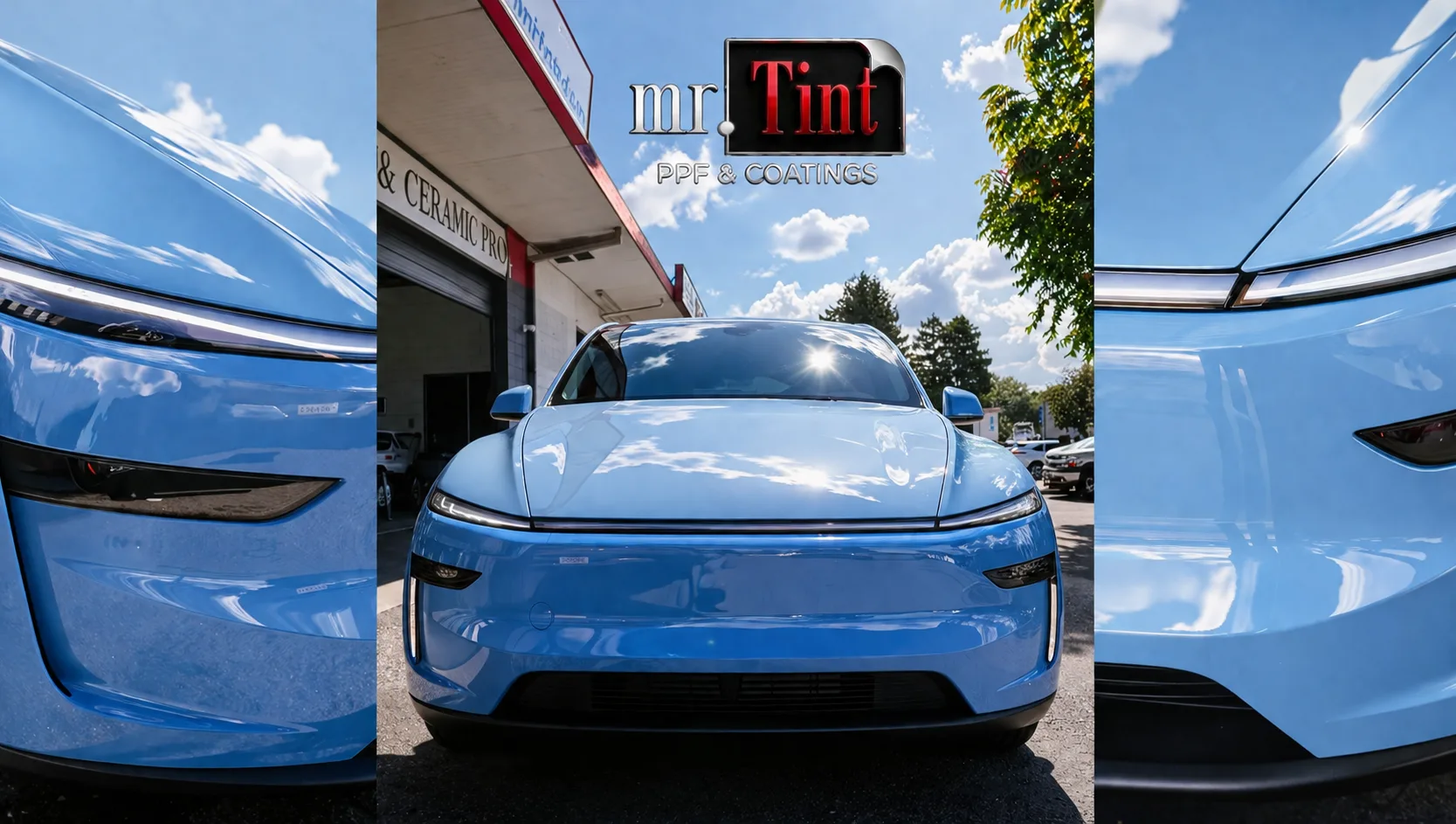
You pull into the local weekend car meet, and a modern sports car catches your eye. The deep, glassy metallic finish looks flawless under the morning sun, completely free of the rock chips that mar your own front bumper. You assume it is a high-end custom paint job or a fresh vinyl wrap. Then the owner drops a bomb: it is actually paint protection film, but it is infused with rich, deep color. Suddenly, your factory paint feels vulnerable, and you start calculating the colored paint protection film cost in your head. Traditional clear film protects your car, but color PPF completely changes the game by combining defense and deep customization. Is it actually worth the premium price tag?
Real talk.
To understand why this material commands a premium, think of traditional vinyl wrap as a thin plastic wrap you use to cover leftovers, while color PPF is like a thick, heavy-duty silicone baking mat. Vinyl is strictly cosmetic, usually measuring only 3 mils thick, and offers zero structural protection against flying highway gravel. Colored PPF combines the structural integrity of advanced thermoplastic polyurethane (TPU) with deep color pigments embedded right into the material layers during manufacturing.
The film consists of an advanced top coat, a color-pigmented TPU core, and a heavy-duty acrylic adhesive. That top coat is engineered with elastomeric polymers that actively heal themselves when exposed to sunlight or a heat gun from your installer. When a rogue piece of track debris strikes your hood, the film absorbs the impact, stretches, and then returns to its smooth shape, keeping your factory paint absolutely pristine underneath.
True rock chip defense — The heavy TPU barrier stops high-velocity gravel from fracturing your factory clear coat.
Paint-like depth and shine — Orange peel texture disappears completely, giving your vehicle a deep, glass-like finish that vinyl cannot match.
Self-healing top coat — Fine swirl marks from improper car washing vanish when exposed to engine heat or summer sunshine.
Preserves vehicle trade-in value — Shielding the factory panels ensures you fetch maximum dollar when trading your vehicle in later.
Let's look at the hard metrics that define this product class. Traditional clear films look great, but colored variants push performance metrics even further due to their unique multi-layered architecture.
A quality color film measures between 7.5 mils and 10 mils in total thickness, providing more than double the physical impact barrier of standard cosmetic vehicle vinyl wraps.
Unlike vinyl wraps that begin degrading, cracking, and fading after 2 to 3 years under intense UV exposure, premium colored PPF carries a manufacturer-backed warranty spanning 7 to 10 years. The material filters out 99% of harmful UV radiation, preventing the factory paint underneath from fading unevenly. This ensures that if you strip the film off a decade from now, the paint looks exactly like it did the day it rolled out of the assembly plant.
When modifying your vehicle, deciding between colored ppf vs vinyl wrap comes down to your budget, your long-term goals, and how hard you drive your car.
Performance FeaturePremium Colored PPFStandard Automotive VinylCustom Factory Paint JobMaterial Thickness7.5 to 10 Mils3 to 4 Mils4 to 6 Mils (Total Paint)Rock Chip DefenseExceptional (High Impact)Extremely LowNone (Prone to Chipping)Expected Lifespan7 to 10 Years2 to 4 YearsLifetime (Requires Care)Surface TextureGlass-Smooth FinishNoticeable Orange PeelFactory DependentSelf-Healing AbilityYes (Heat Activated)No (Scratches Permanent)No (Requires Polishing)
Investing in this level of vehicle protection requires a clear look at the actual dollar amounts. The car paint protection film price varies significantly depending on your geographic location, the size of your vehicle, and the complexity of the body panels.
Here is the real breakdown of what you can expect to invest:
Full Vehicle Color Transformation: $7,000 to $12,000
Partial High-Impact Track Pack (Color PPF Accent Panels): $2,500 to $4,500
Material Cost Premium Over Clear PPF: 30% to 50% Higher
Here's the thing. The upfront financial investment reflects the specialized labor required for a flawless installation. Unlike clear film, where an exposed edge is nearly invisible, installing colored film requires wrapping every single edge deep into the door jams, under the hood lights, and around complex bumper sensors. Your installer will spend hours with a fine squeegee, a heat gun, and precision plotting software to ensure no factory paint peeks through the seams.
Avoid high-pressure car washes — Keep commercial pressure washers at least 12 inches away from wrapped edges to avoid lifting the film adhesive.
Use dedicated ceramic sealants — Treat the surface with a PPF-safe ceramic coating to repel bugs, bird droppings, and track rubber easily.
Clean bird droppings immediately — Natural acids can etch the top coat if left baking under hot afternoon sunlight for days.
Use microfibers exclusively — Wipe the vehicle down with high-GSM microfiber towels to prevent unnecessary surface micro-marring.
Yes, absolutely. A high-quality custom paint job that matches the depth and finish of premium film frequently tops $15,000 and permanently kills the resale value of an original collector vehicle. Film offers an identical visual result while actively shielding the factory panels beneath.
Yes, and we highly recommend it. Adding a layer of slick ceramic coating filling the microscopic pores of the film top coat makes washing your car incredibly fast, meaning you spend less time detailing and more time driving.
When using professional-grade acrylic adhesives, a certified shop can cleanly remove the film using controlled heat and steam without damaging your factory clear coat. The factory paint remains pristine, preserved exactly as it was before the application.
Your vehicle is more than just transportation; it is an extension of your style and a major financial investment. Choosing a color transformation that cannot defend against highway debris leaves you open to costly paint repairs down the road. Splurging on premium film ensures you never have to choose between a head-turning aesthetic and bulletproof defense.
See the difference quality makes with a professional installation. Stop by Mr Tint for a comprehensive vehicle inspection and a personalized quote tailored exactly to your car's unique lines.
Discover if ceramic coating is worth it for your new car. Compare real costs, see long-term paint protection benefits, and stop wasting money on wax.
Read article
California has strict rules for automotive window tint, especially for front side windows and windshields. Learn what VLT means, which tint percentages are commonly used, what California law allows, and how San Jose drivers can choose a window tint that improves comfort, privacy, heat rejection, and UV protection.
Read article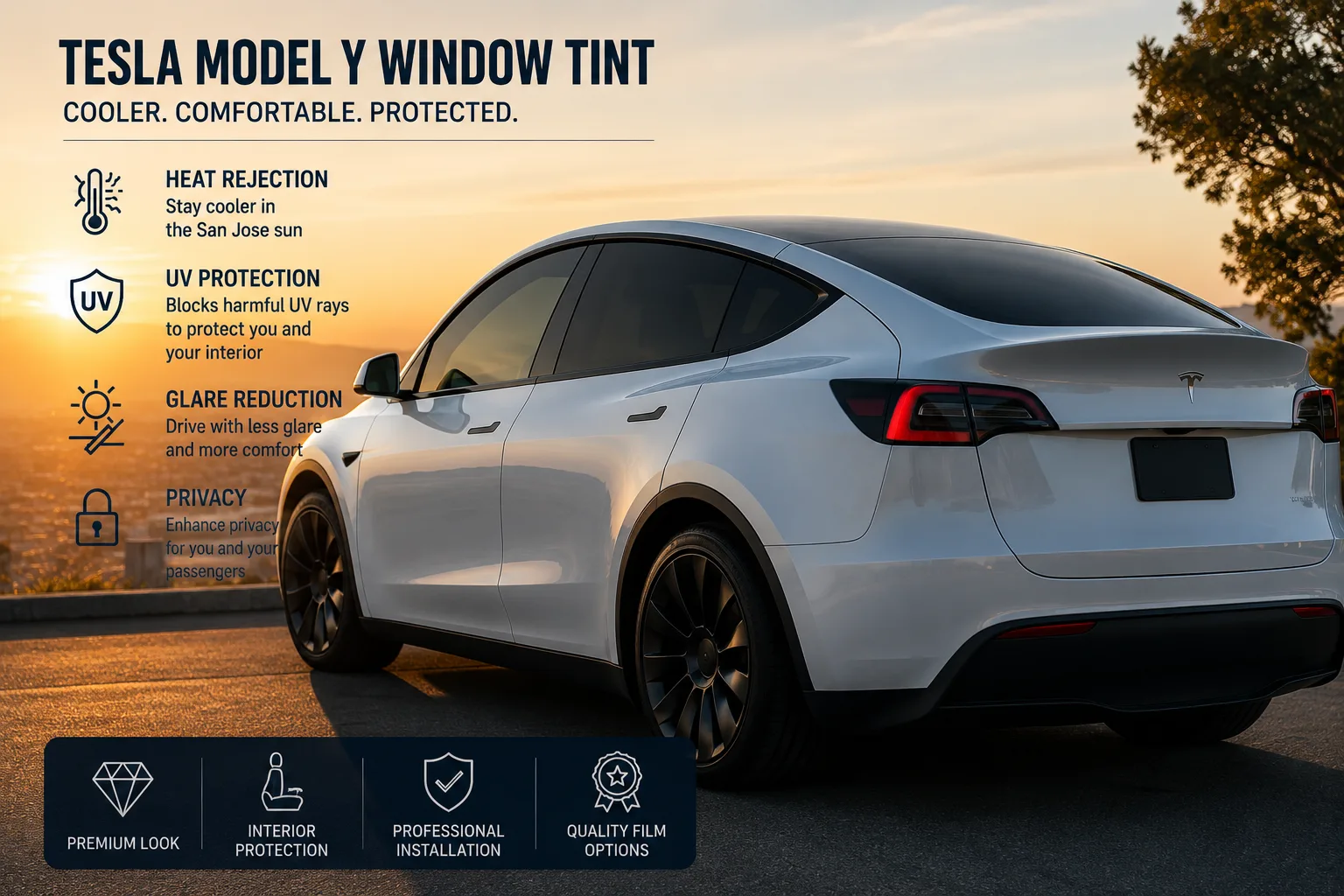
Tesla Model Y owners in San Jose often choose ceramic window tint to reduce heat, glare, and UV exposure while improving privacy and comfort. Learn why ceramic and infrared ceramic tint are popular upgrades for Model Y drivers and how Mister Tint can help you choose the right film.
Read article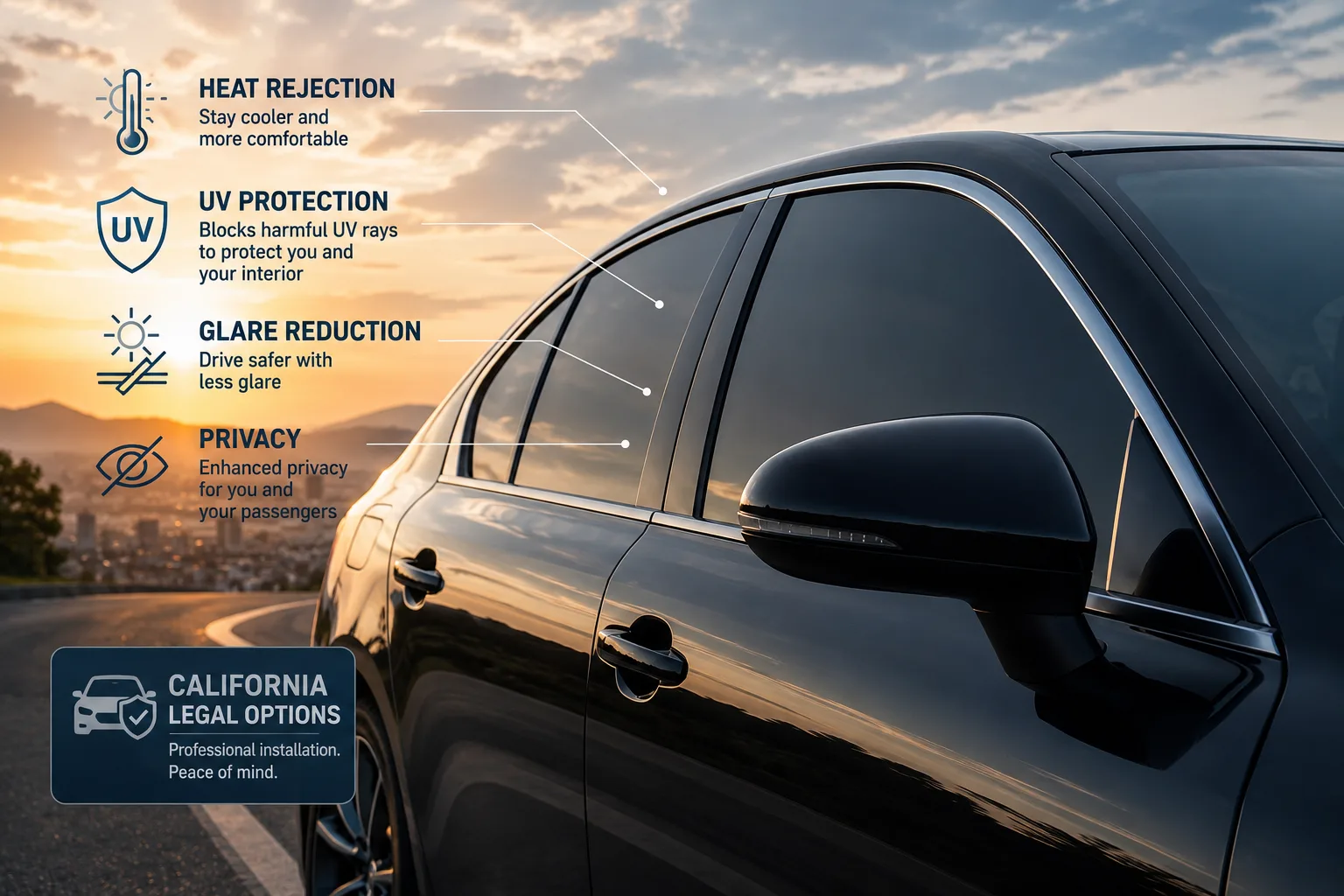
Thinking about window tint in San Jose? Learn what California drivers should know about legal window tint, VLT, ceramic tint, heat rejection, UV protection, and how to choose a film that improves comfort without creating visibility or compliance problems.
Read article
Ceramic window tint is one of the best upgrades for San Jose drivers who want less heat, less glare, better UV protection, and a more comfortable ride. Learn how ceramic tint works, why it performs better than basic dyed film, and how to choose a tint that fits your car and California driving needs.
Read article