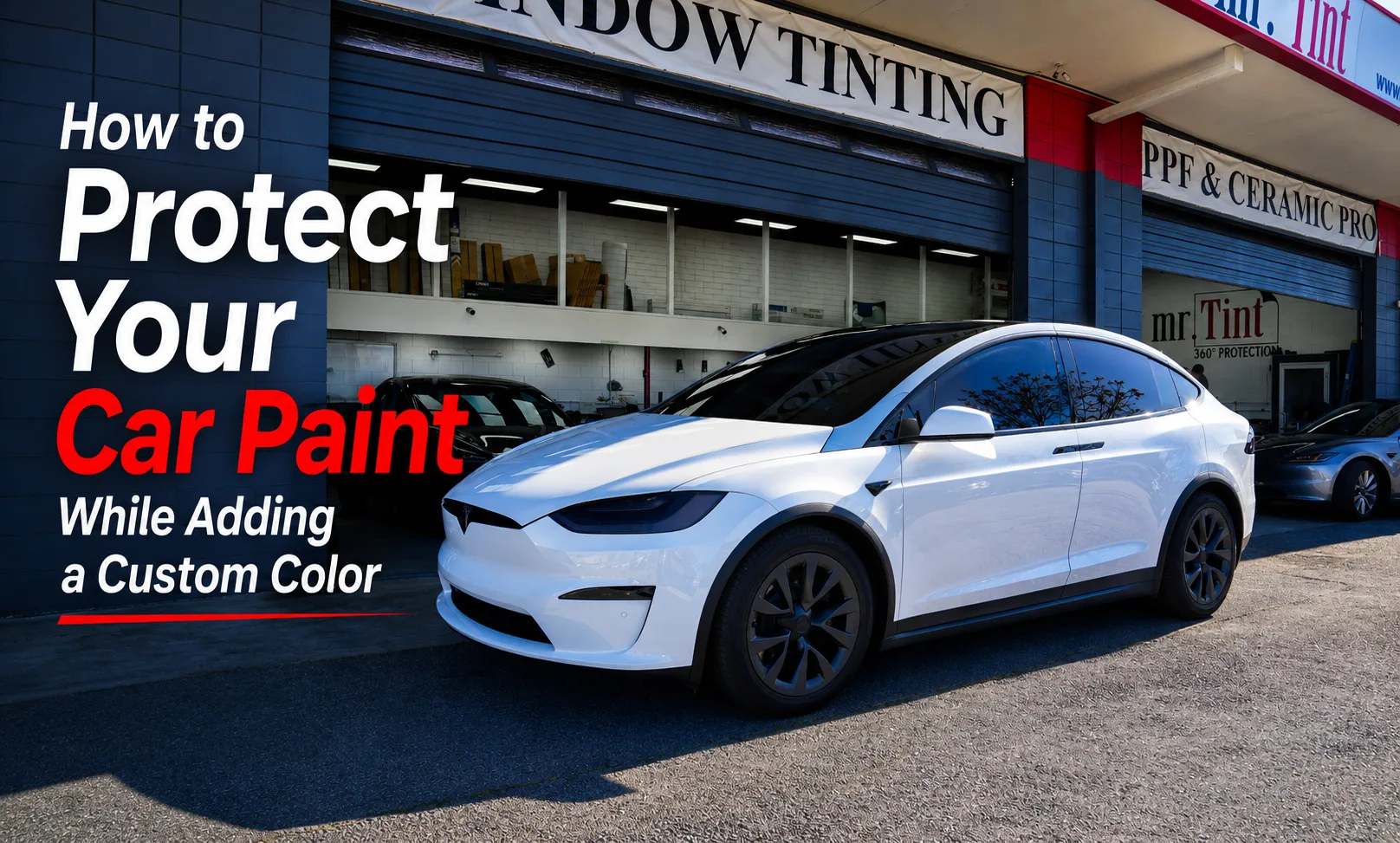
How to Protect Your Car Paint While Adding a Custom Color
Protect your vehicle from rock chips while changing its look with colored paint protection film. Learn how color PPF beats standard wraps.
Read articleWondering about residential window tinting cost? Discover how solar control window film cuts heat and lowers utility bills permanently.
Your cooling system is losing a silent war against your own windows. On a scorching July afternoon, the sun beats down on your glass panes, turning your living room into an absolute greenhouse. You watch your smart thermostat creep upward, followed quickly by the mechanical hum of your air conditioner kicking into high gear for the fourth time in an hour. It is a frustrating, expensive cycle that drains your wallet. When homeowners look for permanent relief, evaluating the residential window tinting cost becomes a top priority to stop this financial leak.
Investing in home window tinting for heat is one of the smartest ways to upgrade your property without replacing entire window units. Standard double-pane glass stops drafts, but it does nothing to block infrared heat radiation. By applying a specialized architectural layer, you can significantly reduce home energy bills and restore comfort to rooms that usually feel like ovens.
Here's the thing. Most people do not realize how much energy escapes through unmodified glass until they see their utility bills drop.
To understand how this technology saves you money, think of architectural window film as high-performance sunglasses for your property. When raw sunlight hits an untreated window, it behaves like an open door. The glass allows visible light, harmful ultraviolet (UV) rays, and near-infrared radiation to pass directly into your living spaces. This unfiltered energy hits your dark hardwood floors, plush sofas, and interior walls, which absorb the radiation and radiate it back into the room as ambient heat.
Modern solar control window film changes the physics of your glass. It relies on advanced micro-thin layers of metals, carbon particles, or nano-ceramic materials embedded within a flexible polyester matrix. When solar rays strike the treated glass, the film absorbs a small portion of the energy, reflects a massive percentage back outside, and lets filtered visible light pass through safely.
What this means in practice is that the thermal energy never crosses your threshold. Instead of forcing your HVAC system to constantly fight incoming solar heat gain, the film acts as an exterior shield. The cooling system works less, cycles less frequently, and burns far less electricity during peak afternoon hours.
Substantial climate control relief: Installing specialized home window tinting for heat keeps indoor temperatures uniform, eliminating those annoying hot zones near south-facing windows.
Drastic drop in utility expenses: When you block solar radiation at the glass, you directly reduce home energy bills by minimizing the runtime of your expensive air conditioning equipment.
Fading protection for valuable interiors: Micro-thin solar films block the primary drivers of interior fading, protecting expensive leather couches, custom drapes, and delicate hardwood finishes from sun bleaching.
Daytime privacy without closing blinds: You get a clear view of your backyard while preventing neighbors or passersby from peering into your ground-floor living spaces.
Subdued glare on digital screens: Watch television or work on your home office laptop without squinting or constantly adjusting heavy window blinds.
Let's look at the hard data. The architectural window film industry relies on measurable, standardized testing to prove performance. These numbers are not marketing hype; they are real metrics used by engineers and certified installers to calculate performance.
First, high-tier ceramic window films achieve up to an 85% reduction in solar heat gain compared to untreated glass panes. This means the vast majority of ambient thermal energy is turned away before it can destabilize your indoor climate. In practical residential applications, this thermal barrier yields a measurable 5°F to 12°F temperature reduction in rooms that receive direct, punishing afternoon sunlight.
Second, consider the impact on your mechanical systems. Homeowners who install performance films typically see a 20% to 30% reduction in their overall cooling costs during peak summer months. By lowering the load on your compressor, you also extend the operational lifespan of your entire HVAC system, saving thousands of dollars in premature replacement costs.
Third, premium architectural films deliver a certified 99% UV blocking rating. This metric tracks both UV-A and UV-B rays, which are responsible for both skin damage and the chemical breakdown of textile dyes and wood stains inside your home.
Selecting the right window film comes down to balancing performance, appearance, and budget. Different film technologies offer varying levels of heat rejection and visual impact, so the best choice depends on your home's specific needs.
If maximum heat rejection is your priority, ceramic and nano-ceramic films are considered the premium option. They can reject approximately 70% to 85% of solar heat while maintaining a virtually clear, neutral appearance. Because they do not noticeably darken the glass, they are ideal for homeowners who want superior thermal performance without changing the look of their home.
For properties with intense sun exposure and a greater need for daytime privacy, dual-reflective films provide an excellent balance. These films typically reject 60% to 75% of solar heat and feature a reflective exterior while maintaining a clearer view from inside. They help reduce glare and limit visibility from the outside during daylight hours.
Homeowners looking for a more budget-friendly solution often choose carbon or non-reflective films. While they offer a more moderate 45% to 60% heat rejection, they effectively reduce glare, improve comfort, and feature a subtle charcoal or matte finish without creating a mirrored appearance.
If preserving the original appearance of the windows is especially important, spectrally selective films are an outstanding option. These advanced films reject roughly 65% to 80% of solar heat while remaining almost completely transparent. They are particularly well suited for historic homes, luxury residences, or neighborhoods with strict HOA regulations that limit visible changes to exterior windows.
When calculating your potential investment, the residential window tinting cost generally ranges from $8 to $18 per square foot, including both the premium material and professional installation. For an average suburban home looking to treat a specific set of problematic windows—such as eight large south-facing windows totaling roughly 150 square feet—the total project investment typically lands between $1,200 and $2,700.
The final price depends heavily on three key variables: the complexity of your window frames (such as French doors or high transom windows), the total square footage, and the specific film technology chosen. While entry-level carbon films sit at the lower end of the pricing spectrum, advanced nano-ceramic options occupy the premium tier because they offer superior optical clarity alongside maximum infrared heat rejection.
But consider this. Unlike temporary fixes like heavy drapes or blinds, professional architectural film pays for itself over time. Most homeowners recoup their initial installation expenses within three to five years through lower monthly utility statements.
Check your window manufacturer warranty: Some window manufacturers restrict the use of specific aftermarket films on dual-pane glass. Always consult with a certified professional installer who can pair the correct film type with your specific glass composition to prevent thermal shock issues.
Avoid abrasive cleaning tools: Never clean your tinted glass with stiff bristle brushes, steel wool, or abrasive scouring pads. A soft microfiber cloth combined with a gentle, ammonia-free soap solution is all it takes to keep the surface pristine.
Allow proper curing time: Immediately after installation, your windows might display a slightly hazy or bubbly appearance. This is completely normal and occurs as the moisture between the film and glass evaporates. The curing process typically takes 30 to 45 days depending on local humidity levels.
Verify HOA regulations: If you reside in a community governed by a Homeowners Association, check their architectural guidelines before selecting highly reflective or dark mirrored films.
No. Modern films are engineered to reject invisible infrared heat while letting optimal amounts of visible light pass through. You can select clear ceramic films that are virtually imperceptible on your glass, allowing you to enjoy natural light without the accompanying heat and glare.
While DIY kits exist, home window film installation requires a flawless, debris-free environment and precise cutting techniques to avoid bubbling, peeling, and unsightly gaps. Professional installers use commercial-grade clean room preparation methods and provide comprehensive warranties that DIY projects cannot match.
When installed correctly by a certified technician using top-tier materials, residential film routinely lasts over 15 to 20 years. Premium films are designed with advanced scratch-resistant coatings and stable UV inhibitors to prevent purple degradation, bubbling, or peeling.
You do not have to settle for soaring utility costs or uncomfortable, sun-baked living spaces. Upgrading your home's glass with premium solar control window film provides permanent relief from the heat while lowering your monthly overhead. At Mr Tint, our certified installation teams use precision craftsmanship and premium, industry-leading films to protect your property and maximize your year-round comfort.
Real talk. Your home should be your sanctuary, not an energy sinkhole.
Let our team help you find the perfect balance of light, privacy, and thermal performance for your space. Contact Mr Tint today to schedule your complimentary residential energy saving consultation and custom estimate.
Protect your vehicle from rock chips while changing its look with colored paint protection film. Learn how color PPF beats standard wraps.
Read article
Every shop advertises 98 percent infrared rejection. Almost none will show you the TSER. A plain-English comparison of dyed, metalized, carbon, ceramic, and graphene film, and why California's 70 percent rule makes film quality matter more than darkness.
Read article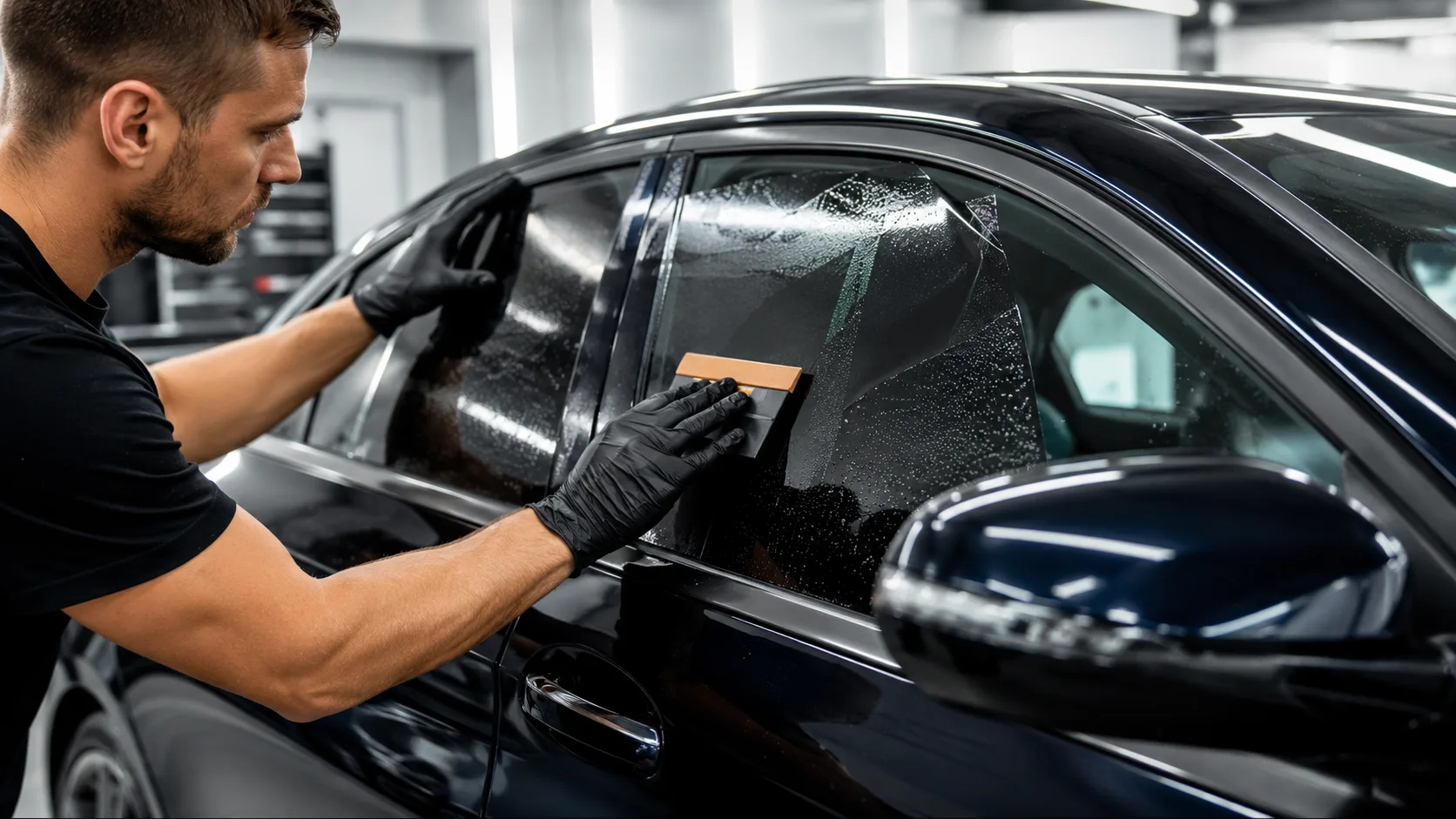
San Jose saw a burglary spree of more than a hundred vehicles in two days this year, and nearly every break-in starts with someone looking through the glass. California lets you go as dark as you like behind the front seats. Here is how to use that, and what tint will not do.
Read article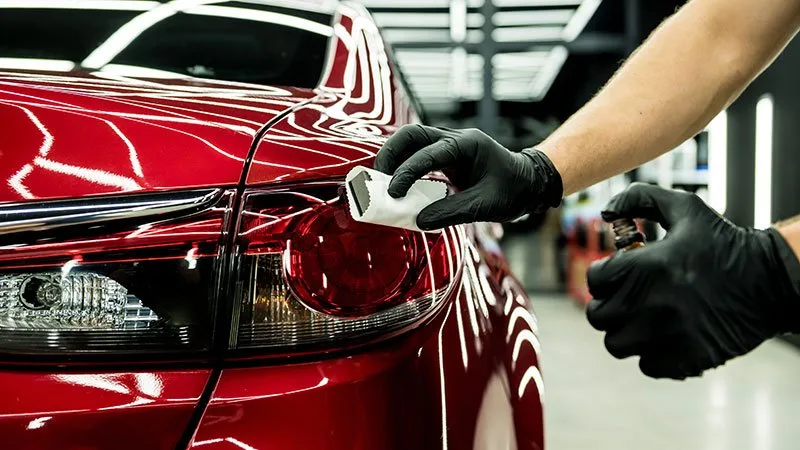
Forecasters expect above-normal fire activity across California this summer. Ash is abrasive when dry and corrosive once dew settles on it. Here is what it does to clear coat, the one thing never to do, and where ceramic coating and PPF genuinely help.
Read article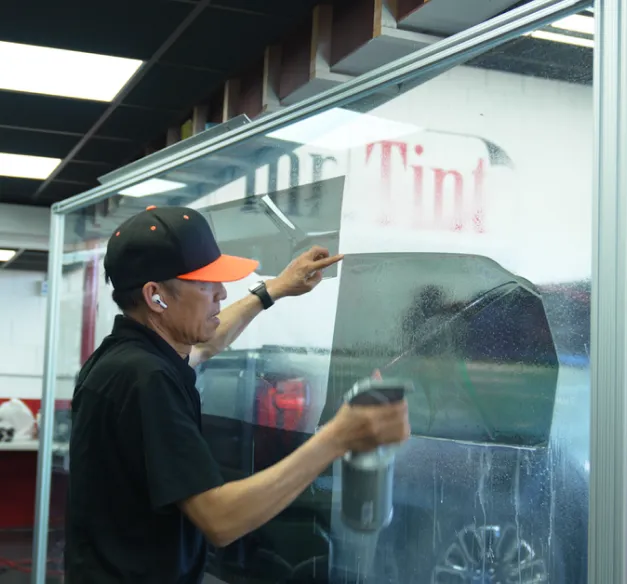
Air conditioning is roughly 40 to 60 percent of a California home's summer electricity use, and your windows are where the heat gets in. What solar control film changes, what it does not, and how to tell whether your house is a good candidate.
Read article