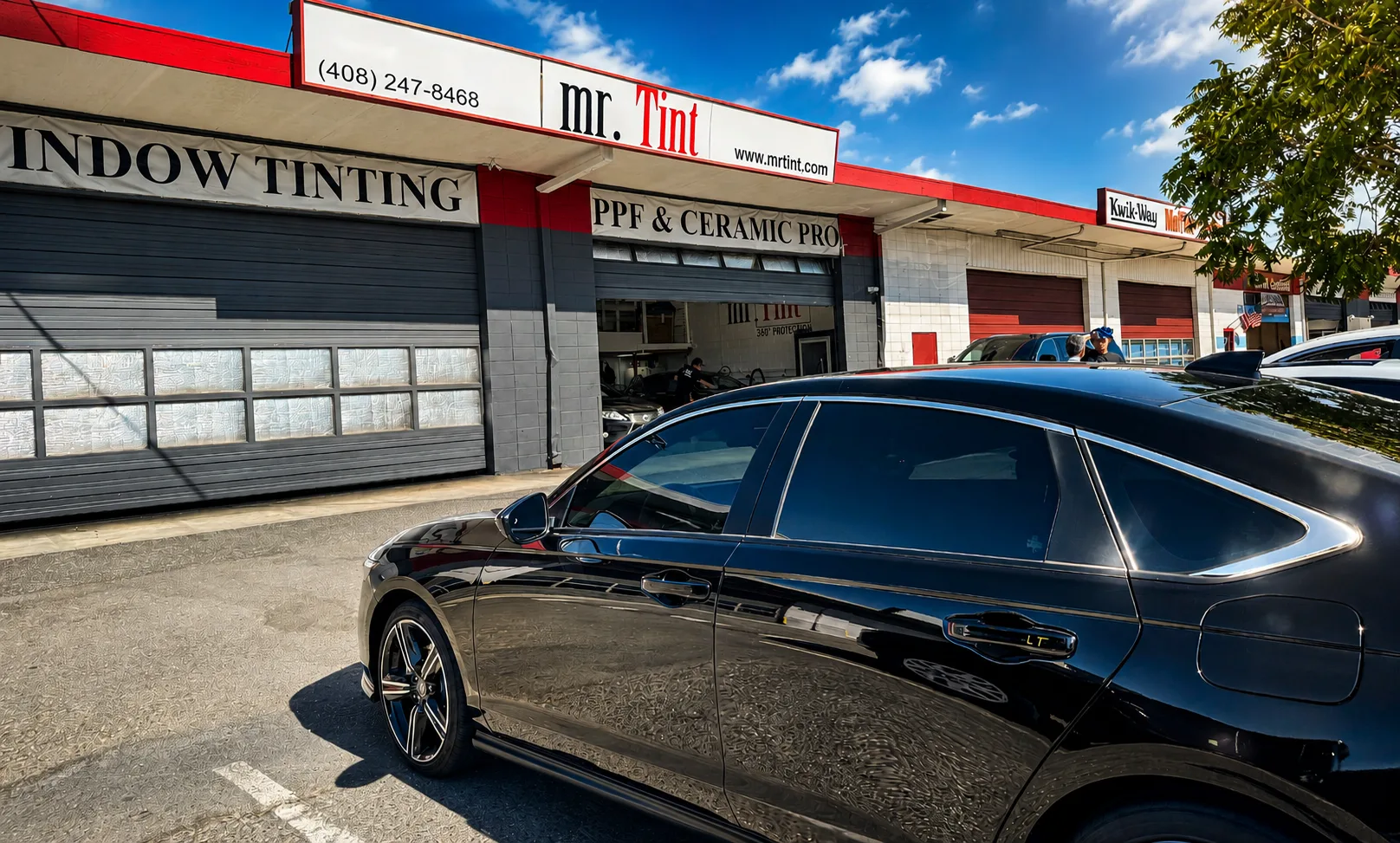
If you run a business in San Jose, your July electricity bill probably arrived with a jolt. Summer rates in California typically run 30 to 50 percent higher than winter rates on the same usage, because air-conditioning demand peaks in July and August and PG&E's generation and transmission costs spike right along with it. For a building with a lot of glass, that is not a small seasonal annoyance — it is a structural cost that comes back every summer.
Where the money actually leaks
Walk through a typical San Jose office or retail space at 3 p.m. in July and you can usually feel it: the west- and south-facing rooms are noticeably hotter, the AC nearest that glass runs constantly, and someone has already dragged a portable fan over. That heat is solar gain — infrared energy pouring through untreated windows — and your cooling system is paying to remove all of it, hour after hour, on your most expensive rate tier of the year.
The larger and more glass-heavy the building, the bigger the leak. Storefronts, ground-floor offices, restaurants, and second-story suites with big windows are the classic candidates because the glass area is large and the sun hits it for hours.
What commercial window film does
A commercial solar-control film is applied to the interior of your existing glass and rejects a large share of the sun's heat before it enters the space. The effect is direct and measurable:
- Lower cooling load — the AC cycles less because less heat is coming in, which is exactly the cost that summer rates make so expensive.
- Fewer hot spots — the rooms next to the glass stop being the ones everyone avoids, which evens out comfort without cranking the whole system colder.
- Less fading — the same film blocks nearly all UV, protecting merchandise, flooring, and furnishings that sunlight bleaches over a season.
- Glare control — screens become readable and customer-facing areas stop being washed out at certain hours.
The ROI math, honestly
The appeal of window film for a business is that it is a one-time cost against a recurring, rising bill. You pay to install once; the cooling savings return every summer for the life of the film, which is many years. Because summer rates are the expensive ones, the savings are concentrated in exactly the months that hurt — which shortens the payback period compared to a building in a mild-rate climate.
It also stacks with the programs already in play. PG&E and state assistance efforts are pushing hard on demand reduction during peak summer months; anything that lowers your peak cooling load works in the same direction and can complement demand-response or efficiency incentives your business may qualify for.
Comfort, safety, and appearance come along for free
The energy math is the headline, but a good commercial film does a few other jobs at the same time, and for many businesses these tip the decision. Employees stop competing over the thermostat because the hot rooms are no longer hot, which quietly reduces one of the most common workplace friction points in summer. Customer-facing spaces stay comfortable at the times of day that used to drive people to the shaded side of the room.
Certain films add safety and security benefits as well: a thicker film helps hold shattered glass together on impact, which matters for storefronts and ground-floor glass. And from the street, a professionally applied film gives a clean, uniform look across the facade rather than a patchwork of blinds and taped-up paper that businesses resort to when the afternoon sun is unbearable. None of these are the reason to buy film, but they are real reasons the same purchase keeps paying off.
The honest limitation
Window film is a solar-control measure, not a cure for every energy problem. If your building loses cooling through an under-insulated roof, leaky doors, or an aging AC unit that is oversized and short-cycling, film will help with the glass portion of the load but will not fix those other leaks. The right way to think about it: film is usually the highest-leverage single fix for a glass-heavy facade, but on a building with multiple issues it is one part of a plan, not the whole plan. A quick energy assessment tells you whether glass is your biggest leak or a secondary one.
Getting it specified right
Two decisions matter. First, match the film's heat-rejection spec to your glass orientation — west and south glass justifies a higher-performance film than a shaded north face. Second, confirm the film is compatible with your specific glazing; some films are not suited to certain double-pane or coated glass, and a professional installer checks this before quoting. Ask for the film's solar-heat-rejection and visible-light numbers, not just a brand name.
With rates where they are this summer, the calculus for a glass-heavy San Jose business is simpler than it used to be. The heat is coming through the windows either way. The only question is whether you keep renting that problem from PG&E every July, or spend once to shut most of it out.