
How to Prevent Window Tint Bubbling and Peeling on Your Car
Discover how to prevent window tint bubbling and secure a flawless look. Protect your vehicle with professional automotive window tinting tips.
Read articleProtect your vehicle from paint damage. Learn how to choose a long lasting ceramic coating that keeps your car looking factory-perfect.
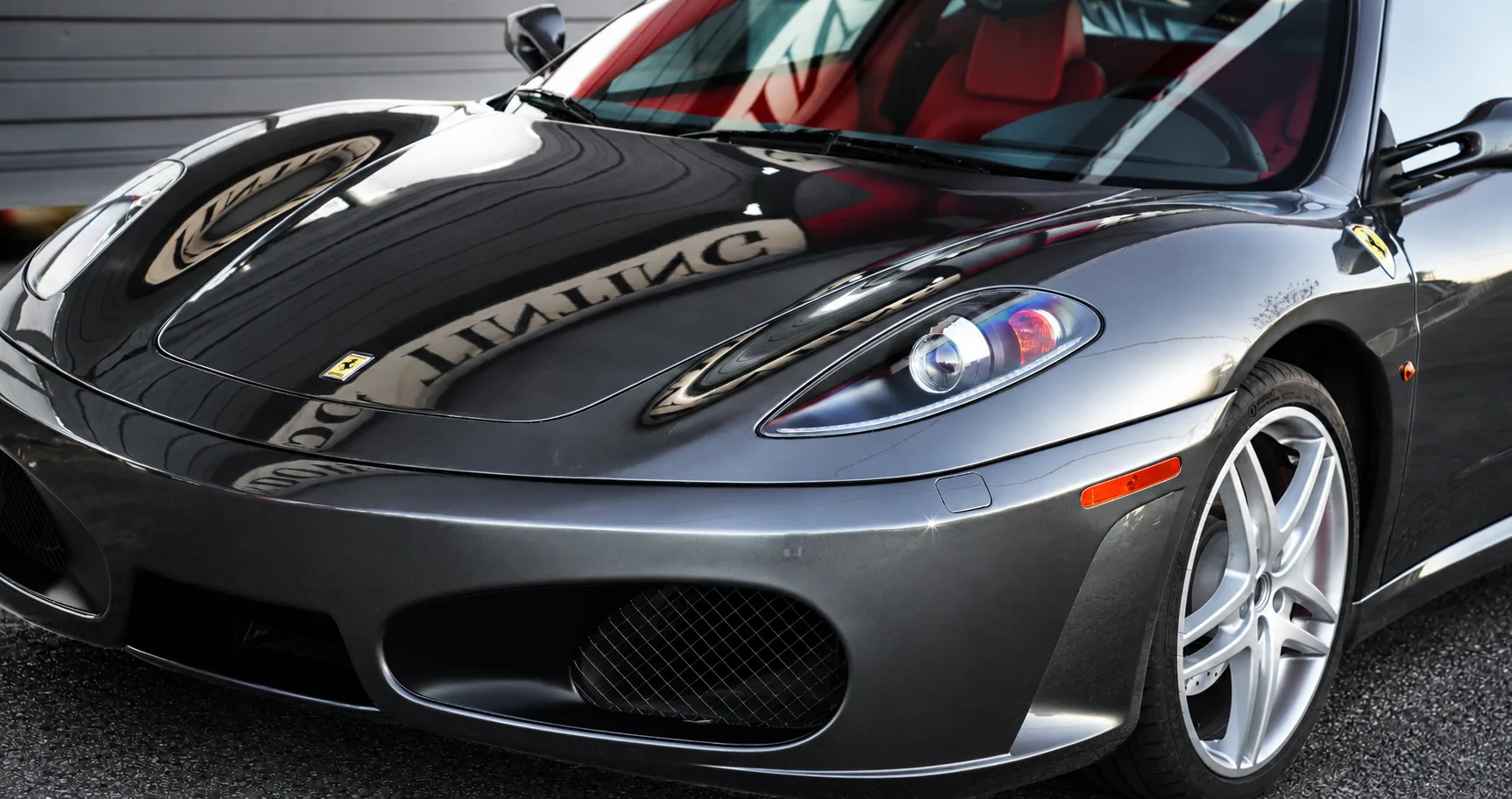
Your garage is probably full of half-used car waxes and spray sealants that promised the world but washed off after three rainstorms. It is incredibly frustrating to spend a whole Saturday sweating over your vehicle's paint, only to watch the water stop beading a month later. You want a deep, glossy shine that actually stays put through road salt, bird droppings, and intense summer heat. That requires a genuine, long lasting ceramic coating that chemically bonds to your clear coat instead of just sitting on top of it.
Finding the best ceramic coating for cars means looking past flashy marketing labels and understanding the actual technology behind liquid glass. This guide will show you exactly how to evaluate professional formulas, what to look for during installation, and how to maximize your investment.
Investing in ceramic coating paint protection is about saving your weekends and protecting your vehicle's resale value.
To understand why a long lasting ceramic coating outperforms traditional paste wax, you have to look at the molecular level. Traditional wax relies on natural carnauba or synthetic polymers that sit loosely on top of your paint. Friction, heat, and standard car wash soaps easily strip these weak temporary layers away within weeks.
True ceramic coatings use silicon dioxide ($SiO_2$) or titanium dioxide ($TiO_2$) suspended in a liquid solvent carrier. Think of your factory clear coat as a microscopic sponge filled with tiny craters and valleys. When applied, the liquid ceramic fills these microscopic imperfections and undergoes a chemical curing process. It forms a permanent or semi-permanent covalent bond with the paint, essentially adding an ultra-hard, sacrificial layer of quartz glass over your vehicle.
Hardened scratch resistance: The cured nanostructure hardens your exterior surface, significantly minimizing the fine swirl marks and wash marring caused by standard hand washing.
Chemical and environmental immunity: Extreme heat, acidic bird droppings, bug splatter, and harsh winter road salt cannot bite into the glass shield, protecting your underlying factory clear coat from permanent etching.
Hydrophobic self-cleaning effects: Water sheets off instantly, carrying loose dirt and road grime away with it so your car stays clean for weeks at a time.
Deep showroom gloss: The optical clarity of high-grade $SiO_2$ acts like a permanent magnifying glass for your paint, enhancing depth and metallic flake pop.
UV blocking power: Constant exposure to intense solar radiation oxidizes clear coats over time, but a ceramic barrier blocks these rays to keep your vibrant color from fading into a dull matte grey.
When evaluating paint protection, skip the vague promises and look directly at verified industry performance specs. True professional nano-coatings deliver measurable, concrete protection that leaves retail consumer spray products completely in the dust.
First, consider hardness ratings on the standard pencil hardness scale. Factory clear coats are relatively soft, typically ranking between 2H and 4H. A professional long lasting ceramic coating cures to a verified 9H hardness rating, creating a sacrificial barrier that is significantly tougher than your vehicle's original painted surface.
Second, look at water contact angles, which quantify how hydrophobic a surface truly is. Unprotected automotive paint usually registers a water contact angle below 70°. A premium liquid glass application pushes that number up to a 110° to 115° contact angle. This extreme surface tension causes water to bead up into tight, uniform spheres that roll off the vehicle at speeds as low as 30 mph.
Finally, think about genuine longevity. Consumer-grade spray sealants degrade after 3 to 6 months of exposure to rain and sun. In stark contrast, a professional-grade multi-layer ceramic installation provides continuous 3 to 7 years of real-world durability, backed by documented warranty coverage when maintained properly.
Navigating the retail car care aisle can be overwhelming. Dozens of brands claim to offer professional results in a cheap spray bottle, but the reality is much different. Choosing the right tier depends on your budget, your installation confidence, and how long you plan to keep your car.
Ceramic coatings generally fall into three categories based on performance and ease of application. Consumer spray coatings contain about 5% to 15% SiO₂, last 2 to 6 months, and are extremely beginner-friendly with a simple spray-and-wipe process. Paint correction is optional, and the coating air-dries quickly. DIY bottled nano-coatings offer 30% to 50% SiO₂ and typically protect paint for 1 to 2 years. They require more careful application to avoid streaks, and paint correction is recommended for better bonding. At the top end, professional-grade ceramic coatings contain 70% to over 90% SiO₂ and can last 3 to 7+ years. These coatings require mandatory paint correction, precise installation in a controlled environment, and specialized curing methods such as infrared lamps to achieve maximum durability.
Here is the thing.
Consumer sprays are essentially enhanced detailers; they provide a temporary boost in shine but cannot offer long-term ceramic coating paint protection. True professional formulations feature high solid concentrations that require pristine paint correction beforehand. If you seal over scratches or swirl marks with a professional coating, you lock those imperfections under a layer of glass for years.
Quality paint protection is a major labor investment, not just a product purchase. When you receive a quote for a professional long lasting ceramic coating, the vast majority of that cost reflects the meticulous preparation work required before the liquid glass ever touches the vehicle.
For a brand-new compact sedan or coupe requiring minimal paint correction, expect pricing to range from $900 to $1,400. This baseline typically covers a single-stage machine polish to clear out minor dealership transit scratches, followed by a high-grade 3-year coating.
For mid-sized SUVs, trucks, or older vehicles with moderate paint defects, the cost generally ranges from $1,500 to $2,500. This comprehensive tier involves multi-stage paint correction to eliminate deep swirl marks, followed by the application of multi-layered, premium 5-to-7-year coatings across all painted surfaces, exterior plastics, and wheel faces.
Even the toughest glass shield requires smart maintenance to perform optimally over its lifespan. A common mistake is assuming that a coated vehicle never needs to be washed again. While it makes cleaning incredibly simple, you must avoid automated friction car washes at all costs. Those spinning nylon brushes carry abrasive grit from the dirty trucks ahead of you, creating thousands of micro-scratches that will quickly dull your coating's reflective gloss.
Instead, stick to a careful two-bucket hand wash method using a dedicated pH-neutral ceramic maintenance shampoo once every two weeks. Avoid cheap dish soaps or high-pH degreasers, as heavy surfactants leave behind dull films that temporarily mask the coating's natural hydrophobic properties. Dry the vehicle using a premium microfiber drying towel and a gentle gloss-enhancing topper spray to replenish the sacrificial top layer.
No, ceramic coatings cannot stop high-velocity rock chips or deep key scratches. While the cured layer increases overall surface hardness to resist fine washing swirls and light abrasions, it is still an incredibly thin layer of glass. If your goal is heavy-duty impact protection against road debris and flying stones, you need to install a dedicated TPU-based paint protection film (PPF) on your high-impact areas.
The entire process generally takes 2 to 4 days depending on the level of paint correction required. The meticulous multi-stage wash, chemical decontamination, clay bar treatment, and machine polishing consume about 70% of that timeline. Once our certified team applies the liquid formula, the vehicle must cure indoors in a climate-controlled environment for at least 24 hours before it can safely face the outdoor elements.
It does not crack, blister, or peel off like a sunburned clear coat. Instead, the coating gradually degrades and wears away evenly over several months. You will notice a slow reduction in water-beading performance, and dirty road grime will begin to cling to the lower rocker panels more easily during rainstorms. When this occurs, the surface can be lightly polished and prepped for a fresh re-application.
Your car is one of the largest investments you will make. Protecting it shouldn't involve cheap fixes or temporary retail sprays that disappear after a single storm. Choosing a professional, long lasting ceramic coating ensures your vehicle stays pristine, glossy, and heavily shielded against the elements for years to come. At Mr Tint, our certified installers use zero shortcuts, combining expert machine paint correction with premium, high-solid formulas to deliver a flawless finish. See the difference quality makes. Contact Mr Tint today to request a free, personalized paint protection quote for your vehicle.
Discover how to prevent window tint bubbling and secure a flawless look. Protect your vehicle with professional automotive window tinting tips.
Read article
Wondering about residential window tinting cost? Discover how solar control window film cuts heat and lowers utility bills permanently.
Read article
Protect your vehicle from rock chips while changing its look with colored paint protection film. Learn how color PPF beats standard wraps.
Read article
Every shop advertises 98 percent infrared rejection. Almost none will show you the TSER. A plain-English comparison of dyed, metalized, carbon, ceramic, and graphene film, and why California's 70 percent rule makes film quality matter more than darkness.
Read article
San Jose saw a burglary spree of more than a hundred vehicles in two days this year, and nearly every break-in starts with someone looking through the glass. California lets you go as dark as you like behind the front seats. Here is how to use that, and what tint will not do.
Read article