How to Customize and Protect Your Car with Colored Paint Protection Film
Discover how colored paint protection film shields your vehicle from road debris while giving it a striking, premium new look.
Read articleDiscover the most effective ways to prevent rock chips on your new car and learn why paint protection film is the ultimate investment for long-term defense.
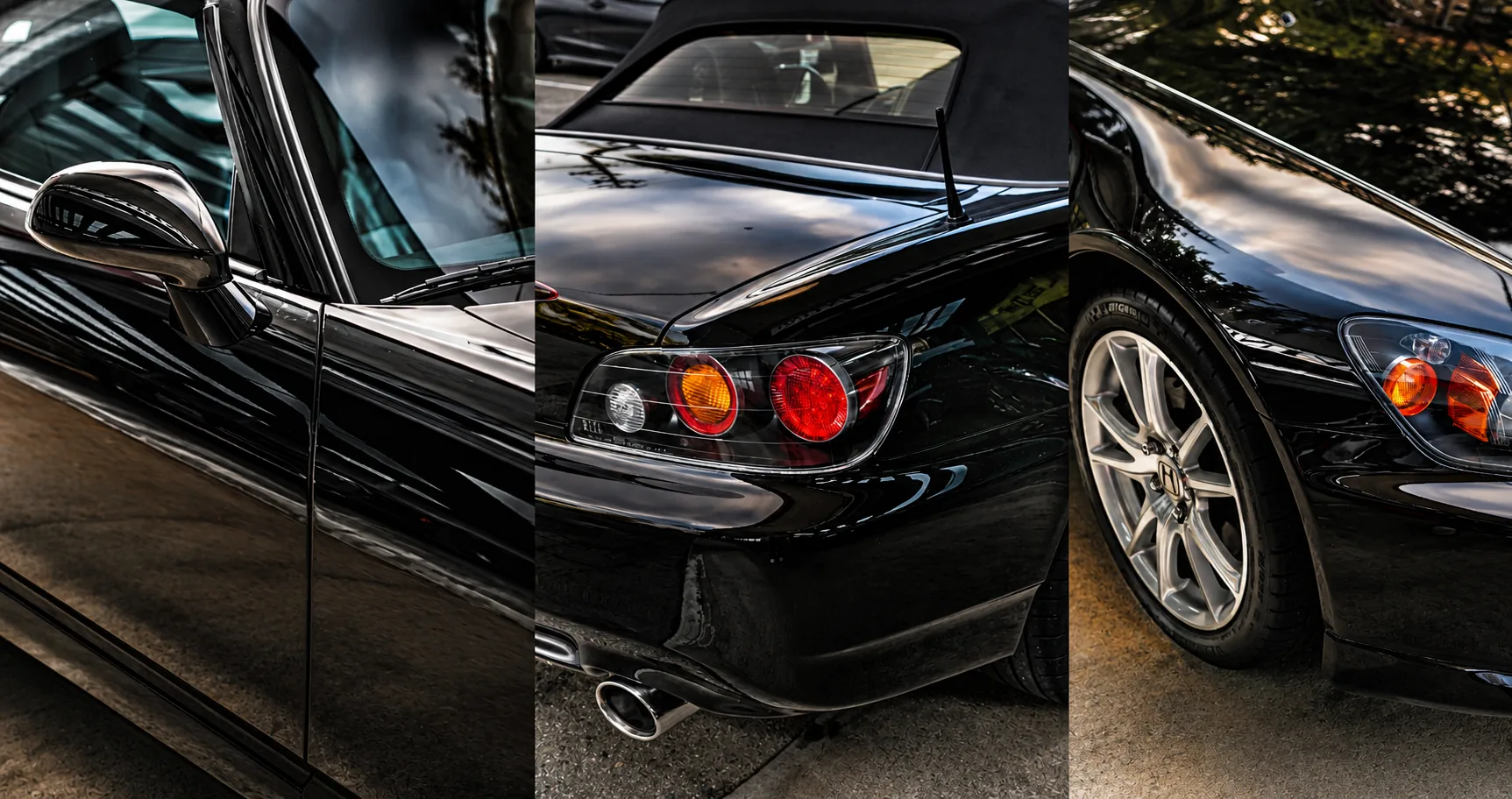
That first highway drive in a brand-new vehicle is pure bliss until you hear it. A sharp, metallic clack echoing off your fresh hood. You pull into your driveway, step out, and there it is: a tiny, jagged pit exposing bare metal on your bumper.
Modern automotive paint looks incredible, but it is highly vulnerable to road debris. Car manufacturers switched to water-based paints to meet environmental standards, making the clear coat significantly thinner and more brittle than the solvent-based paints of decades past. A single tiny pebble kicked up by a semi-truck can easily slice through your finish.
If you want to prevent rock chips on your new car, relying on a bottle of touch-up paint or keeping a five-car gap on the interstate is not a real strategy. You need a physical barrier that absorbs impacts before they ever reach your factory clear coat. Paint protection film for cars is the definitive answer to this problem.
Paint protection film (PPF)—often referred to as a clear bra—is a thermoplastic polyurethane film applied directly to a vehicle's painted surfaces. Think of it like an invisible, heavy-duty phone screen protector for your vehicle, engineered specifically to handle highway-speed impacts.
When a stray stone strikes an unprotected bumper, the rigid paint layer cannot deform, so it fractures and flakes away. PPF works by distributing that impact across a flexible elastomeric polymer matrix. The film absorbs the kinetic energy, cushions the blow, and springs back into its original shape.
Most premium modern films use advanced nano-technology featuring a specialized top coat. When exposed to heat from solar radiation or warm garage air, the molecules in this top coat rearrange themselves. This chemical reaction allows the film to self-heal fine scratches, swirl marks, and wash lines automatically. It isolates your factory paint from the harsh realities of daily driving.
Investing in a clear bra installation means you are playing defense against the predictable hazards of everyday roads.
Absolute impact resistance: The tough polyurethane barrier physically blocks rocks, gravel, road salt, and flying debris from contacting your paint.
Self-healing surface properties: Fine swirling from aggressive car washes or light abrasions disappear when exposed to ambient heat or warm water.
Stain and chemical defense: The non-porous top coat repels bird droppings, acidic bug splatter, tree sap, and harsh winter chemicals that etch clear coats.
UV weathering protection: Advanced UV inhibitors prevent the film from yellowing while keeping your factory paint from fading unevenly over time.
Preservation of resale value: Eliminating front-end pitting ensures your trade-in or private sale valuation remains at the absolute top of the market.
Let us look at what happens in the real world when cars hit the asphalt without protection.
A typical factory clear coat measures between 1.5 to 2.0 mils thick. For context, a standard piece of printer paper is about 4.0 mils. That leaves an incredibly thin margin of safety between a pristine look and a deep, rust-inducing crater. Premium paint protection film adds an additional 8.0 to 10.0 mils of heavy-duty, energy-absorbing urethane on top of that factory finish.
Fixing a peppered front bumper is a losing game financially. A quality, multi-stage respray for a modern bumper and hood at a reputable body shop routinely runs anywhere from $1,500 to $3,500. It also forces you to lose your original factory paint, which car collectors and trade-in appraisers spot instantly with electronic paint depth gauges.
Furthermore, repainted panels often drop a vehicle's resale value by 10% to 15% due to common imperfections like overspray, mismatched metallic flake, or minor texture differences known as orange peel.
Every driver handles their car differently, which is why protection is not a one-size-fits-all product. The right choice depends entirely on your driving habits, routes, and budget.
Coverage PackageAreas ProtectedBest ForTypical DurabilityPartial Front EndLeading 18-24" of hood, partial fenders, front bumper, mirror capsBudget-conscious daily commuters, leased vehicles5 to 10 YearsFull Front EndEntire hood, full front fenders, front bumper, mirror caps, headlightsMost popular choice; eliminates visible film seams across mid-panels5 to 10 YearsTrack / High-ImpactFull front end plus rocker panels, A-pillars, roof leading edge, rear wheel splash zonesSports cars, track-day enthusiasts, lifted trucks with wide tires5 to 10 YearsFull Vehicle WrapEvery painted exterior panel from roof to rocker panelsExotic cars, matte factory paint finishes, ultimate peace of mind5 to 10 Years
Quality surface protection requires an investment in both premium materials and specialized installation labor. Because every vehicle body line is unique, pricing reflects the complexity of the installation process.
Partial Front End: $900 to $1,400. A smart starting point that covers the absolute highest-impact areas where the majority of stones strike.
Full Front End: $1,800 to $2,800. The industry standard for new car owners. Wrapping the entire hood ensures there is no visible line across the middle of your paint.
Full Vehicle Protection: $5,000 to $8,000+. This range depends heavily on the complexity of the vehicle panels. Intricate supercars with deep vents require extensive custom bulk installation rather than pre-cut patterns.
Here is the thing. A low-ball estimate usually means the shop is using outdated, generic film or skipping the intensive prep work required to keep edges from lifting six months down the road.
To keep your film looking completely invisible and performing flawlessly, you need to follow a few straightforward maintenance habits.
Mind the pressure washer: Keep the spray nozzle at least 12 to 18 inches away from all film edges when washing your car. Blasting an edge with 2,000 PSI can force water underneath and lift the material.
Ditch the abrasive polishes: Avoid automatic drive-through car washes with spinning nylon brushes. Use a gentle hand-wash method with clean microfiber mitts and a dedicated automotive shampoo.
Address environmental drops quickly: Clean off bird droppings, bugs, and sap within a few days. While the top coat is chemical-resistant, letting baking sun sit on organic acids for weeks can eventually dull the finish.
Use film-safe sealants: Do not use traditional waxes containing petroleum distillates or abrasives. Stick to synthetic sealants or ceramic coatings specifically formulated for urethane films.
When installed by a certified professional, full-panel wraps are virtually undetectable to the untrained eye. Installers wrap the edges inside the panel gaps, hood lines, and fender wells so the borders are hidden from view.
If you notice minor swirling or surface scratches, simply park the vehicle in the direct sun on a warm afternoon or pour a cup of hot water over the area. The self-healing polymer top coat will return to its original smooth state within minutes.
No. As long as the film is applied over original factory paint and removed correctly using professional heat techniques, it releases cleanly without lifting the clear coat or leaving permanent adhesive residue.
Yes, and it is highly recommended. Applying a specialized ceramic coating over your film adds an incredibly slick, hydrophobic layer that makes washing away bug splatter and road grime even easier.
Your new car will never look better than it does right now sitting on the showroom floor or in your driveway. Keeping it that way means taking proactive action before the highway ruins your front bumper.
At Mr Tint, we do not believe in short cuts or low-grade materials. Our certified installers use industry-leading films, computer-cut templates, and pristine installation bays to deliver a factory-edge finish you can trust. Protect what matters most and keep your vehicle looking flawless for the long haul.
Ready to see the difference quality makes? Contact our team today to get a precise, no-obligation quote tailored specifically to your vehicle.
Discover how colored paint protection film shields your vehicle from road debris while giving it a striking, premium new look.
Read article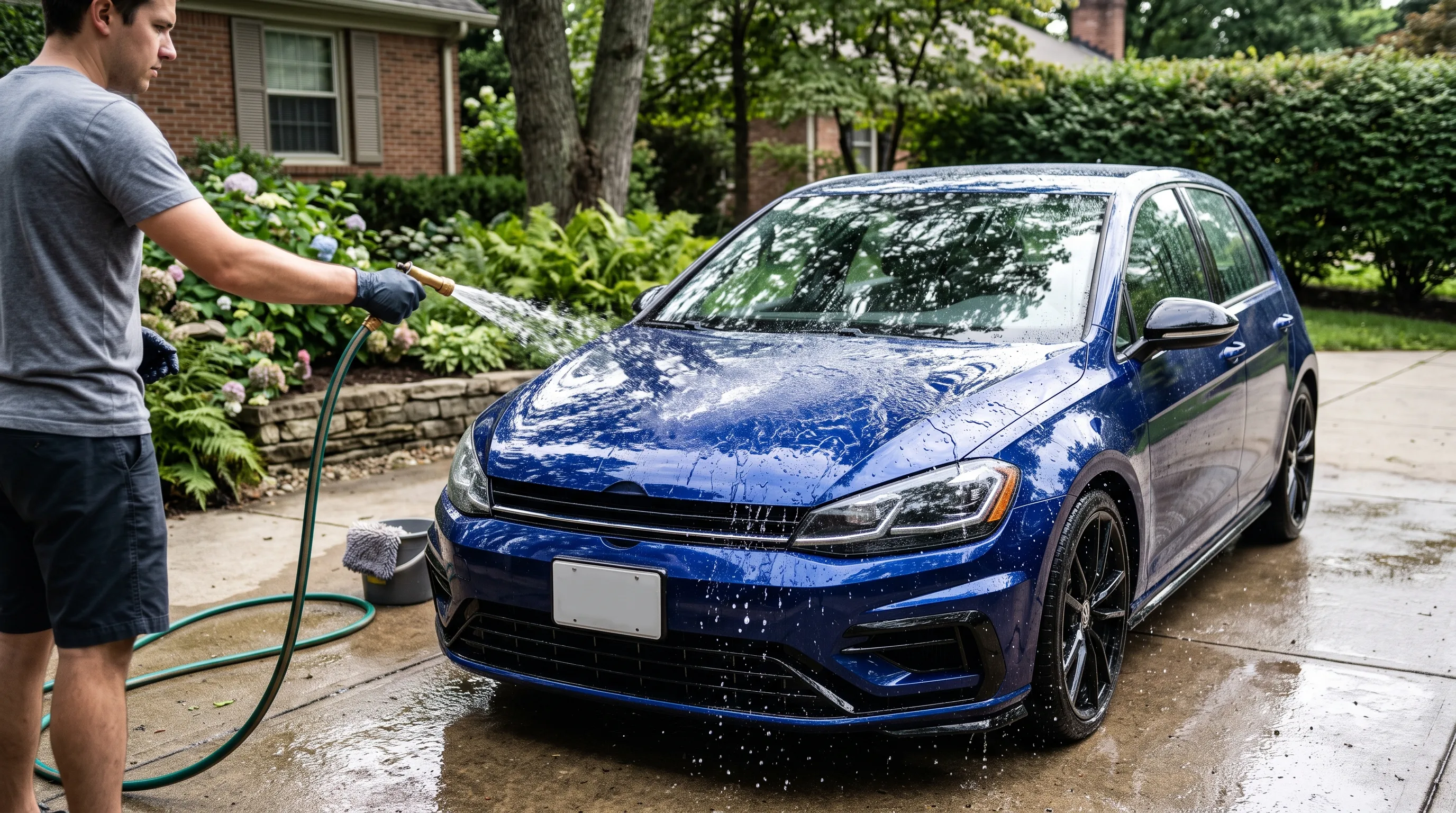
A ceramic coating makes summer car care easier, not optional. Here's how to wash, protect, and get the most from your coating through San Jose's hottest, ashiest months.
Read article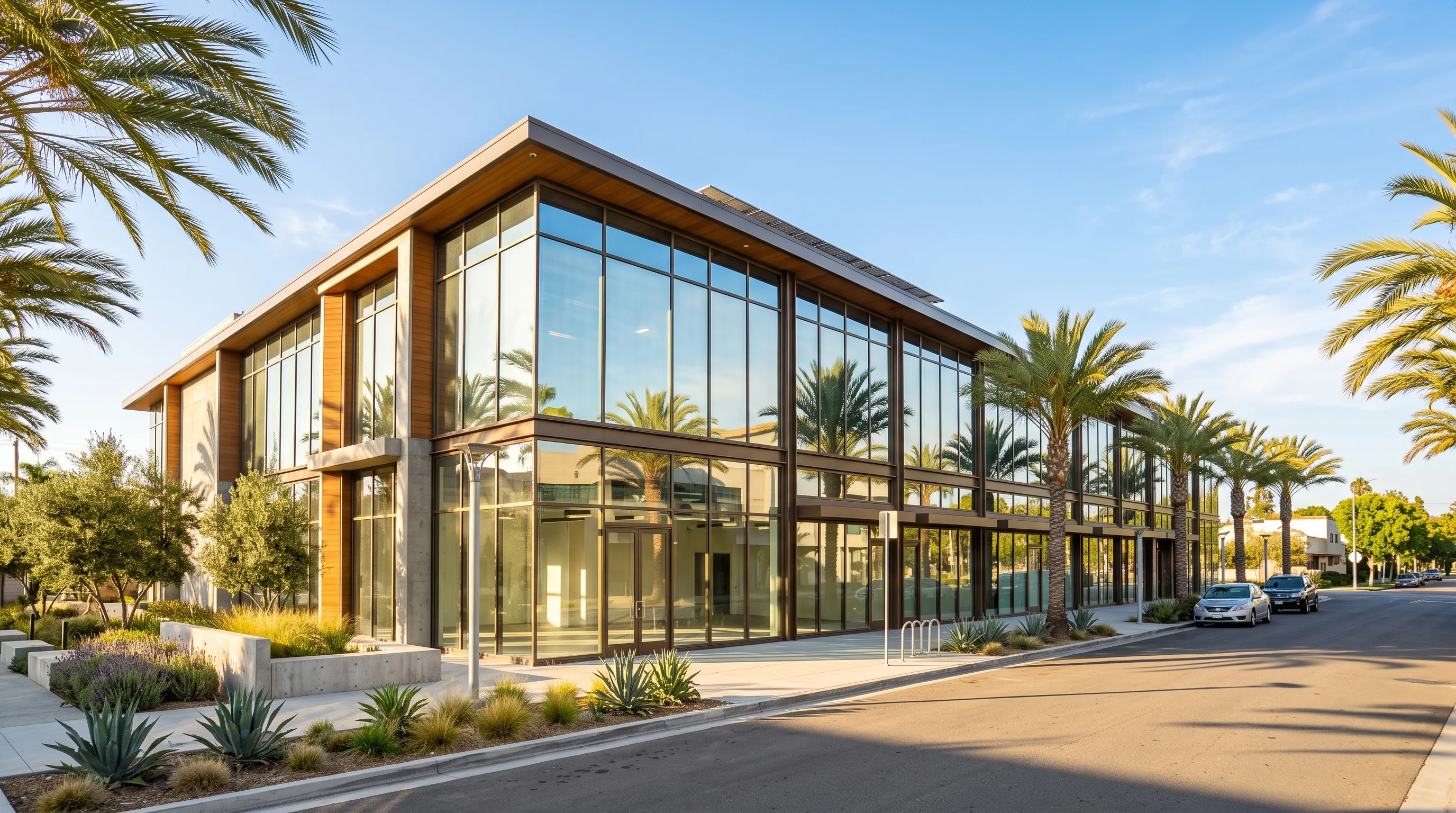
With San Jose summer electricity rates running well above winter, the west-facing glass on your storefront or office is quietly driving your cooling bill. Here's how commercial window film pays for itself.
Read article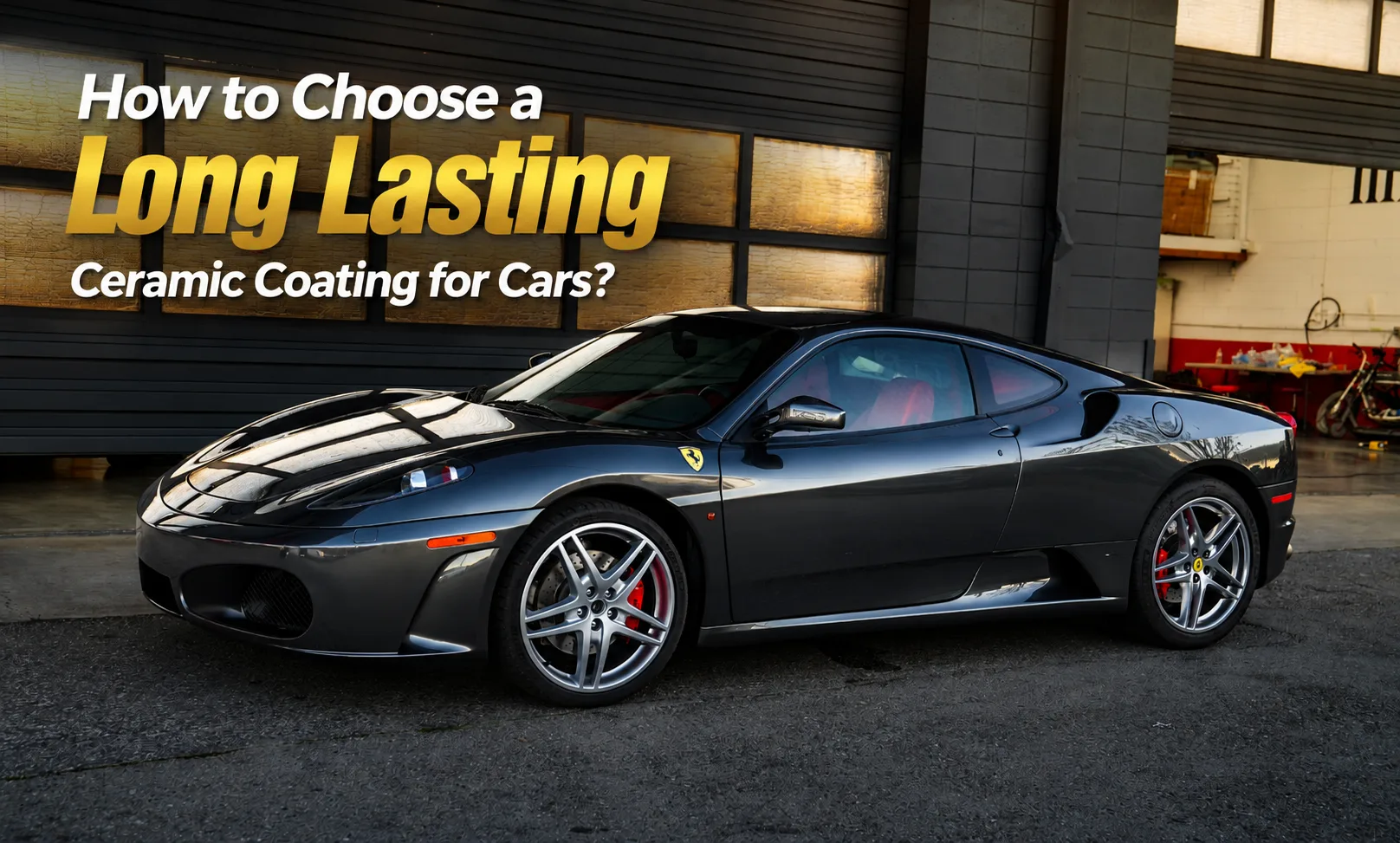
Protect your vehicle from paint damage. Learn how to choose a long lasting ceramic coating that keeps your car looking factory-perfect.
Read article
Your car's side windows block far less UV than you think, and San Jose summers are peak-UV. Here's what tint actually blocks — for your skin and your interior — and what it doesn't.
Read article