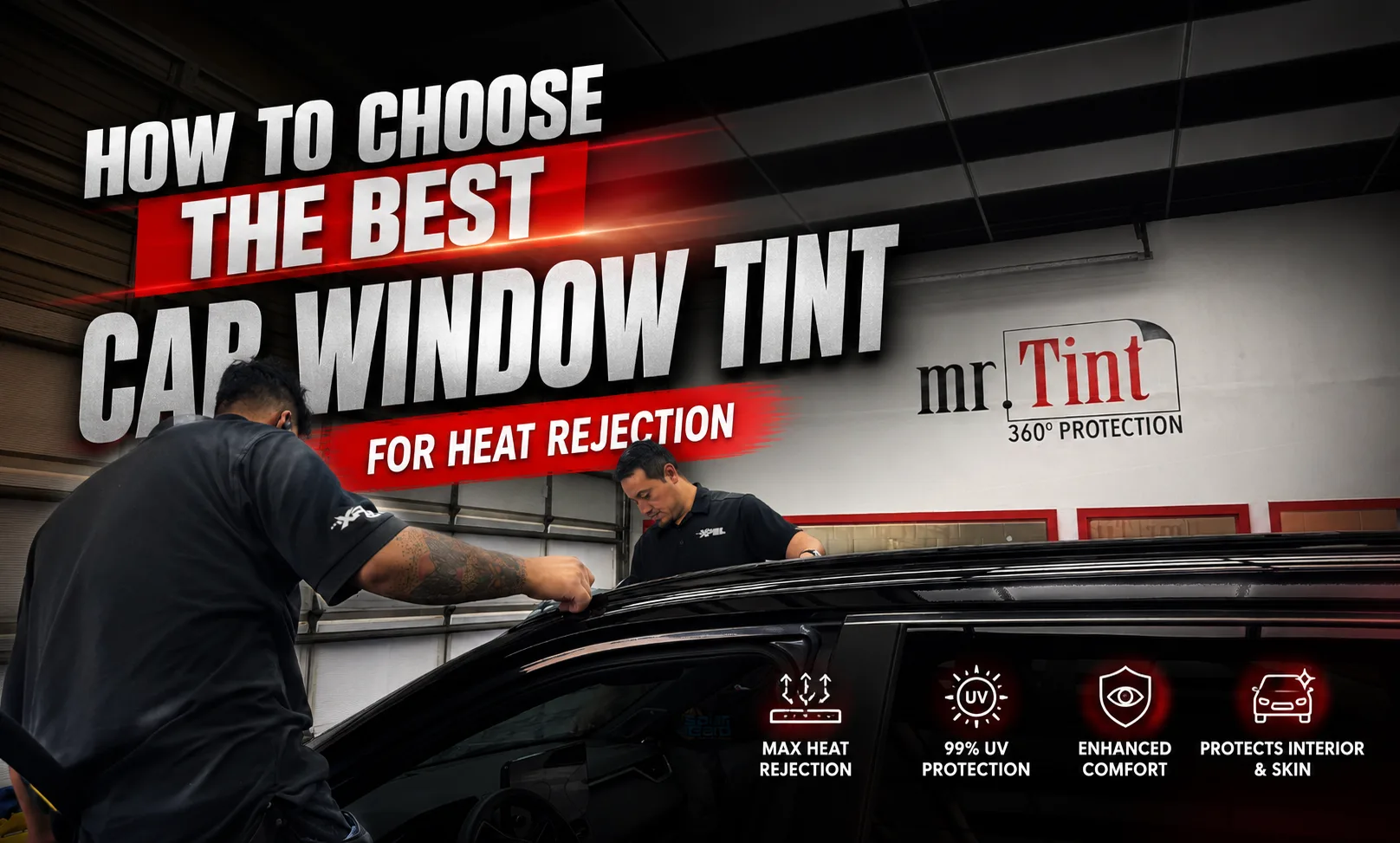
How to Choose the Best Car Window Tint for Heat Rejection
Learn how to choose the best car window tint for heat rejection and UV protection so you can keep your vehicle cool and avoid bubbling or legal issues.
Read articlePaint protection film is worth it for drivers who want to protect their vehicle from rock chips, scratches, road debris, bug splatter, and everyday paint damage. Learn how PPF helps preserve your car’s factory finish, appearance, and resale value.
Paint protection film is worth it for drivers who want to protect their vehicle from rock chips, scratches, road debris, bug splatter, and everyday paint damage. PPF is especially valuable for new cars, luxury vehicles, Teslas, daily drivers, and anyone who wants to preserve resale value. While it costs more upfront than wax or ceramic coating, paint protection film offers stronger physical protection for high-impact areas like the front bumper, hood, fenders, mirrors, and door edges.
Yes, paint protection film is worth it for many car owners, especially if you care about keeping your vehicle looking newer for longer.
Your car’s paint faces damage every time you drive. Rocks fly up from the road. Bugs hit the front bumper. Shopping carts, fingernails, keys, road salt, tree branches, and careless washing can all leave marks over time. Even if you are careful, daily driving slowly wears down the finish.
Paint protection film, often called PPF or clear bra, is designed to protect your vehicle from that damage. It creates a nearly invisible layer over the paint, helping absorb impact before it reaches the factory finish.
If you recently bought a new car, drive a high-value vehicle, commute often, park outside, or simply want to avoid expensive paint repairs, PPF can be one of the smartest upgrades you make.
Paint protection film is a clear, durable urethane film installed over painted surfaces of a vehicle. It is commonly applied to areas that take the most abuse from road debris and daily use.
Common PPF coverage areas include:
Front bumper
Hood
Front fenders
Side mirrors
Headlights
Door edges
Door cups
Rocker panels
Rear bumper loading area
Full front end
Full vehicle wrap
The film acts like a protective shield. Instead of rocks, bugs, and debris hitting your paint directly, they hit the film first.
High-quality PPF is designed to be clear, durable, and long-lasting. When professionally installed, it blends with the vehicle’s paint and helps preserve the original finish underneath.
Paint protection film is valuable because it protects against real-world damage that wax and ceramic coating cannot stop.
PPF helps protect against:
Rock chips
Road debris
Light scratches
Bug splatter
Bird droppings
Tree sap
Swirl marks
Scuffs from washing
Door edge chips
Fingernail scratches behind door handles
Minor abrasions
Paint damage from loading cargo
This makes PPF especially useful for the front end of the vehicle, where most impact damage happens.
If you drive on highways, commute daily, take road trips, or own a vehicle with expensive paint, paint protection film can save you from visible damage and costly repainting later.
Wax can make your car look shiny, but it does not provide meaningful impact protection. It sits on top of the paint and wears away over time from washing, heat, rain, and sun exposure.
Wax may help with short-term gloss and light water beading, but it will not stop a rock chip from damaging your hood or bumper.
Paint protection film is different. It is a physical layer between your paint and the road. That makes it much better for preventing chips, scratches, and scuffs.
If your main goal is shine, wax can help. If your main goal is protection, PPF is much stronger.
Many drivers compare paint protection film and ceramic coating, but they are not the same thing.
Ceramic coating is a liquid coating that bonds to the paint and creates a slick, glossy, hydrophobic surface. It helps with water beading, easier washing, UV protection, and resistance to light contaminants.
Paint protection film is a thicker physical film that protects against rock chips, scratches, and road debris.
The easiest way to think about it:
Ceramic coating protects against contamination and makes cleaning easier.
Paint protection film protects against physical impact and paint damage.
For the best protection, many vehicle owners choose both. PPF protects high-impact areas, while ceramic coating adds gloss and easier maintenance over the entire vehicle.
Yes. Paint protection film is especially worth it for a new car because it protects the factory paint before damage happens.
Many owners wait until the front bumper and hood are already chipped before thinking about protection. At that point, the damage is permanent unless the panel is repaired or repainted.
Installing PPF early helps keep the paint in better condition from the beginning. This is especially important if you plan to keep the vehicle long term or want to preserve resale value.
New cars are also ideal for PPF because the paint usually needs less correction before installation. The cleaner and newer the paint, the better the final result.
Yes. Daily drivers benefit from PPF because they are exposed to road damage more often.
A weekend car may stay in the garage most of the time, but a daily driver faces traffic, highways, parking lots, construction zones, bugs, dust, rain, and sun every week.
If you drive your car regularly, the front end takes constant abuse. PPF helps protect the areas most likely to show wear first.
For commuters, parents, sales professionals, rideshare drivers, and anyone who spends a lot of time on the road, paint protection film can be a practical investment.
Paint protection film is a popular upgrade for Tesla owners because Teslas are often daily driven, have smooth painted front ends, and can be expensive to repaint.
Tesla front bumpers, hoods, rocker panels, and lower doors can be exposed to road debris, especially on highways. PPF helps protect these areas while keeping the car’s clean factory appearance.
Many Tesla owners choose full-front PPF or high-impact coverage, then add ceramic coating for easier washing and better gloss.
Yes. PPF is worth it for luxury cars because paint repair costs can be high, and preserving the original finish matters.
Luxury vehicles, performance cars, and exotic cars often have premium paint finishes. Even small chips or scratches can be frustrating and expensive to repair.
Paint protection film helps preserve the original paint, which can support long-term appearance and resale value.
If the vehicle is leased, financed, rare, custom-colored, or high-value, PPF is often a smart choice.
It depends.
If your older car already has heavy paint damage, deep scratches, oxidation, or peeling clear coat, PPF may not be the best first step. The paint should be in good condition before film is installed.
However, if your older vehicle still has clean paint or has recently been corrected or repainted, PPF can help preserve the finish going forward.
A professional installer can inspect the paint and recommend whether PPF makes sense for your vehicle.
If you do not want full-car PPF, focus on the areas that get hit the most.
The best starting points are:
This usually includes the front bumper, hood, front fenders, and side mirrors. It is one of the most popular PPF packages because it protects the areas most exposed to rock chips and road debris.
The front bumper takes the most direct impact from bugs, rocks, and road grime. If you choose only one area, the bumper is a strong option.
The hood and fenders are highly visible. Chips in these areas can quickly make a car look older than it is.
Door cups can collect fingernail scratches, while door edges can chip when opened near walls, curbs, or other vehicles. These small areas are affordable and practical to protect.
Rocker panels are common damage zones, especially on performance cars, Teslas, trucks, and vehicles with wide tires.
High-quality PPF is designed to be nearly invisible when installed correctly. It should preserve the look of the paint while adding protection.
Some films are glossy, while others are matte or satin. Gloss PPF keeps a shiny factory finish. Matte PPF can protect matte paint or create a satin-style appearance.
Professional installation matters. A poor installation can leave visible edges, bubbles, stretch marks, dirt under the film, or uneven seams. A proper installation should look clean, smooth, and natural.
Paint protection film can last for years when installed correctly and maintained properly. Longevity depends on the film quality, installation, driving conditions, climate, and maintenance habits.
To help PPF last longer:
Wash the vehicle regularly
Use safe, pH-neutral car wash soap
Avoid harsh chemicals
Remove bugs and bird droppings quickly
Avoid aggressive pressure washing near film edges
Dry with clean microfiber towels
Follow your installer’s care instructions
PPF is durable, but it still needs basic care to perform its best.
Many high-quality paint protection films have self-healing properties. This means light swirl marks and small surface scratches can disappear with heat from the sun, warm water, or proper maintenance.
Self-healing does not mean the film is indestructible. Deep cuts, heavy impact, or sharp damage may still leave marks. But for light surface wear, self-healing film helps the vehicle maintain a cleaner appearance over time.
PPF costs more than wax or ceramic coating because it requires precision installation, quality film, and careful surface preparation.
The price depends on:
Vehicle size
Coverage area
Film type
Paint condition
Installation complexity
Pattern design
Edge wrapping
Full front vs. full vehicle coverage
While the upfront cost is higher, PPF can help prevent expensive paint repairs later. Repainting a bumper, hood, or fender can cost significantly more than many drivers expect, and repainting may also affect originality.
For many owners, PPF is less about spending money now and more about avoiding paint damage later.
Paint protection film is worth it if:
You bought a new car
You drive often
You commute on highways
You own a Tesla, luxury car, truck, or performance vehicle
You want to preserve resale value
You hate seeing rock chips
You park outside
You plan to keep the vehicle long term
You want to protect factory paint
You want stronger protection than wax or ceramic coating alone
PPF is especially worth it if your vehicle is exposed to road debris regularly.
PPF may not be necessary for every driver.
It may not be the best choice if:
The vehicle already has heavily damaged paint
You do not care about rock chips or scratches
You plan to sell the vehicle very soon
The car is used only occasionally and stored indoors
You only want short-term shine
You are looking for the cheapest possible option
In those cases, ceramic coating, wax, or basic detailing may be enough. But for serious paint protection, PPF is the stronger solution.
PPF can help preserve resale value by keeping the factory paint in better condition.
When buyers inspect a used vehicle, visible rock chips, scratches, and worn paint can make the car look older and less cared for. A vehicle with clean original paint often creates a better impression.
Paint protection film helps reduce visible wear, especially on high-impact areas. If the film is removed later, the paint underneath may look much cleaner than unprotected panels.
For the highest level of protection, many owners choose both paint protection film and ceramic coating.
Here is how they work together:
PPF protects against chips, scratches, and road debris.
Ceramic coating adds gloss, slickness, water beading, and easier cleaning.
Ceramic coating can be applied over PPF to make the film easier to maintain.
The combination gives your vehicle physical protection and a cleaner look.
If you want a complete protection package, PPF plus ceramic coating is the best route.
At Mr. Tint, we help drivers protect their vehicles with professional paint protection film, ceramic coating, and window tint services.
Whether you want basic door edge protection, full-front PPF, or a more complete vehicle protection package, our team can help you choose the right option based on your car, driving habits, and budget.
We focus on clean installation, quality materials, and long-term protection so your vehicle keeps looking its best.
Yes, paint protection film is worth it if you want real protection against rock chips, scratches, road debris, and daily wear.
Wax and ceramic coating can improve shine and make maintenance easier, but they cannot match PPF’s ability to physically protect paint. For new cars, daily drivers, Teslas, luxury vehicles, and anyone who wants to preserve their vehicle’s appearance, PPF is a smart investment.
If you want your car to stay newer-looking for longer, paint protection film is one of the best upgrades you can make.
If you are considering paint protection film for your car, Mr. Tint can help you choose the right coverage package.
Contact Mr. Tint today to schedule a consultation for paint protection film in San Jose and the Bay Area.
Yes. Paint protection film is worth the money for drivers who want to protect their vehicle from rock chips, scratches, bug splatter, road debris, and everyday paint damage.
Paint protection film can last for years depending on the film quality, installation, driving conditions, and maintenance habits.
When installed and removed properly, high-quality PPF should not damage healthy factory paint. Paint condition should be inspected before installation.
PPF is better for rock chips, scratches, and impact protection. Ceramic coating is better for gloss, water beading, and easier cleaning. Many owners choose both for maximum protection.
Yes. A new car is one of the best candidates for PPF because the paint is still clean and undamaged. Installing film early helps prevent chips and scratches before they happen.
High-quality PPF is designed to be nearly invisible when professionally installed. Some edges may be visible depending on the coverage area and installation style.
The front bumper, hood, front fenders, side mirrors, door cups, door edges, and rocker panels are the most common areas to protect.
Yes. Ceramic coating can often be applied over paint protection film to improve gloss, slickness, water beading, and ease of maintenance.
Learn how to choose the best car window tint for heat rejection and UV protection so you can keep your vehicle cool and avoid bubbling or legal issues.
Read article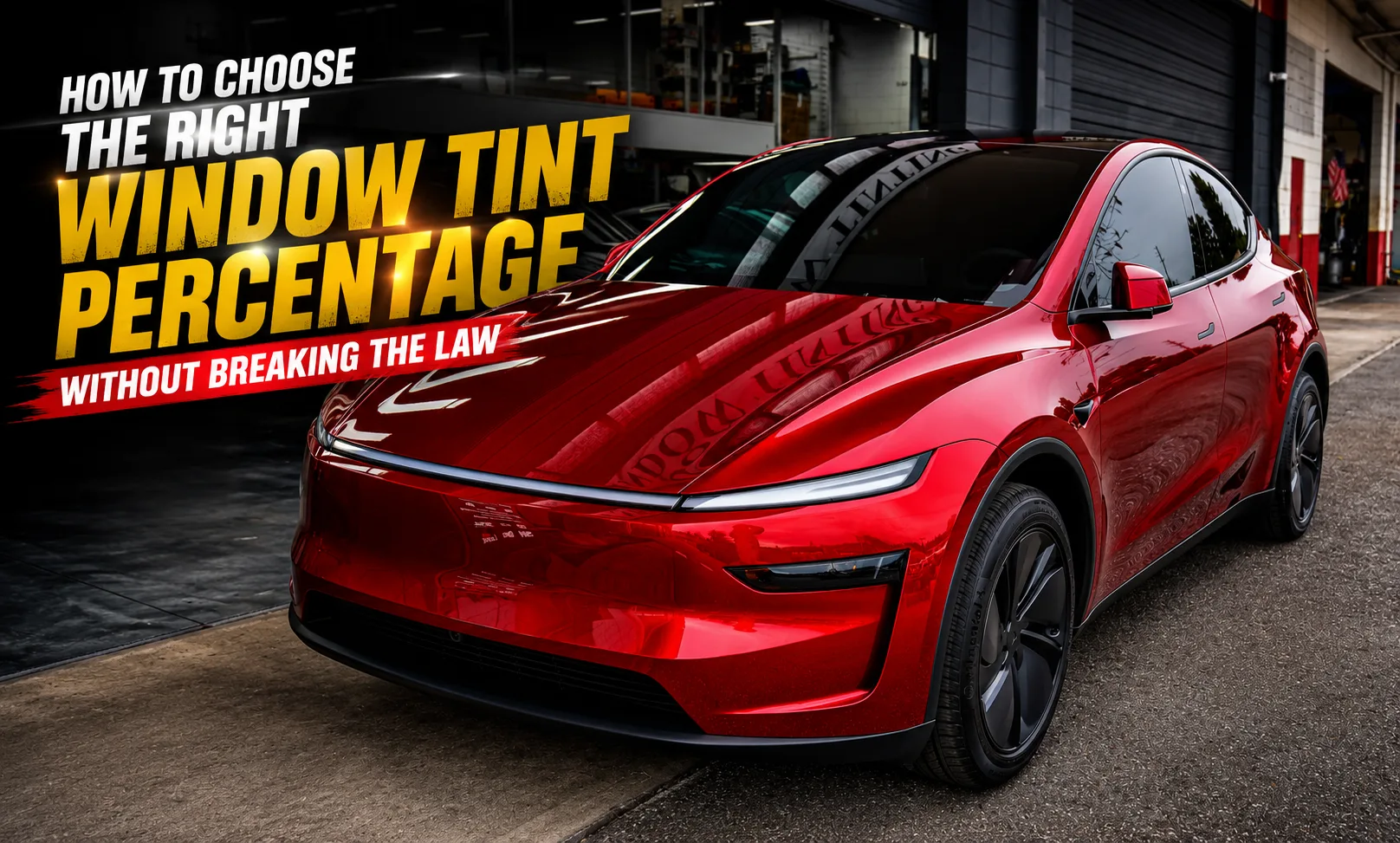
Stop dealing with intense car heat and glare. Learn how to choose legal window tint percentages that upgrade your ride and pass state inspection easily.
Read article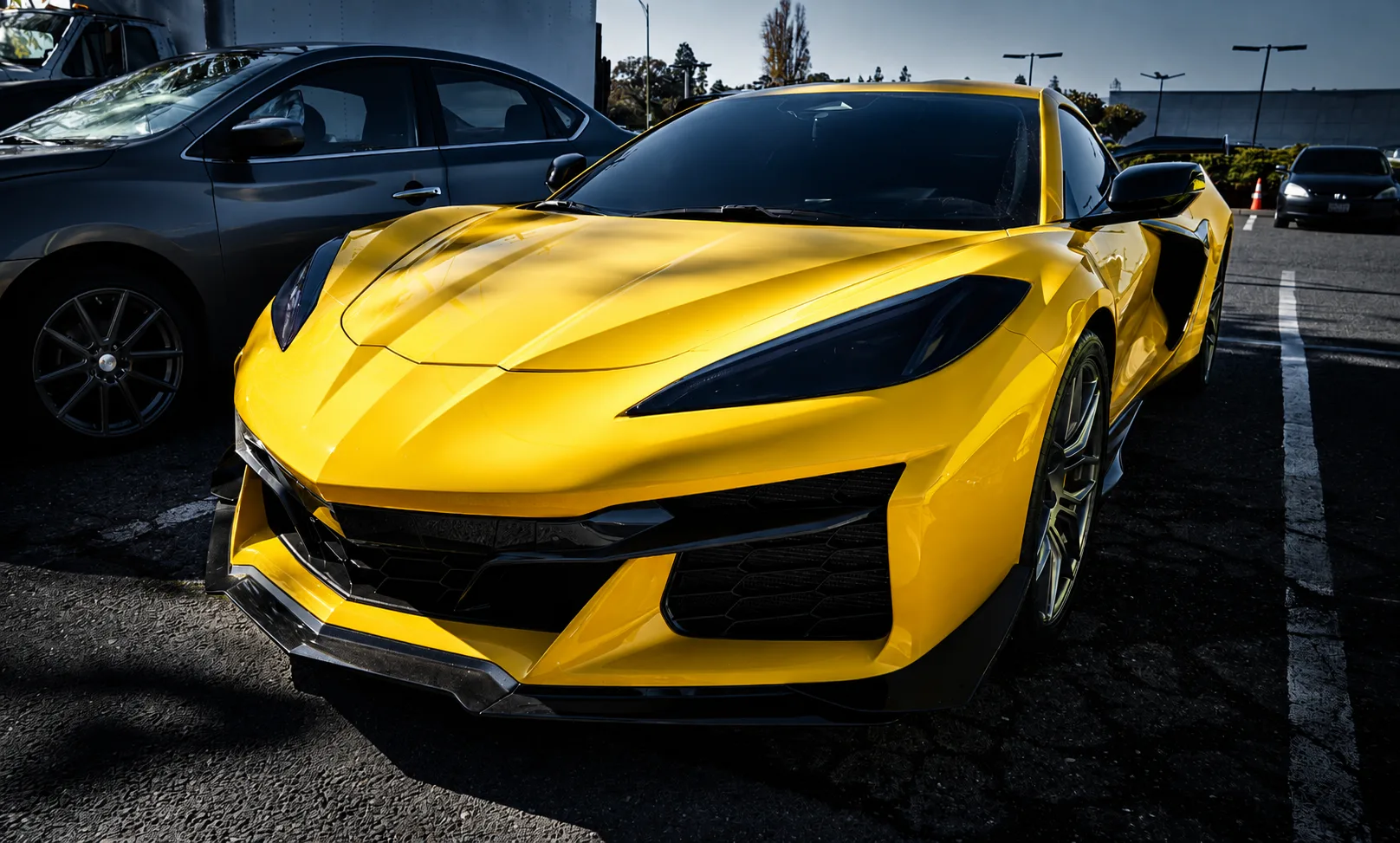
Discover how colored paint protection film shields your vehicle from road debris while giving it a striking, premium new look.
Read article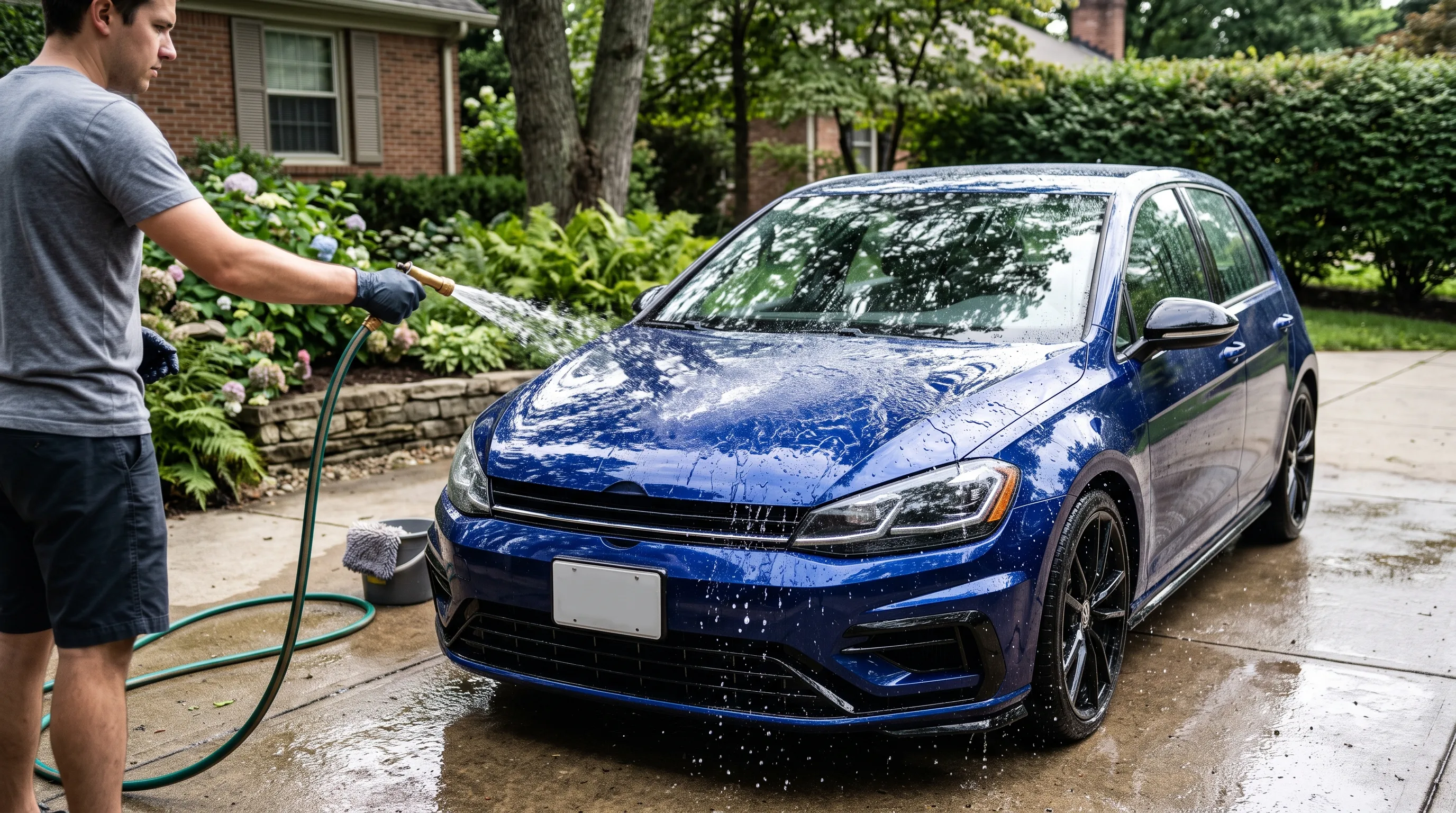
A ceramic coating makes summer car care easier, not optional. Here's how to wash, protect, and get the most from your coating through San Jose's hottest, ashiest months.
Read article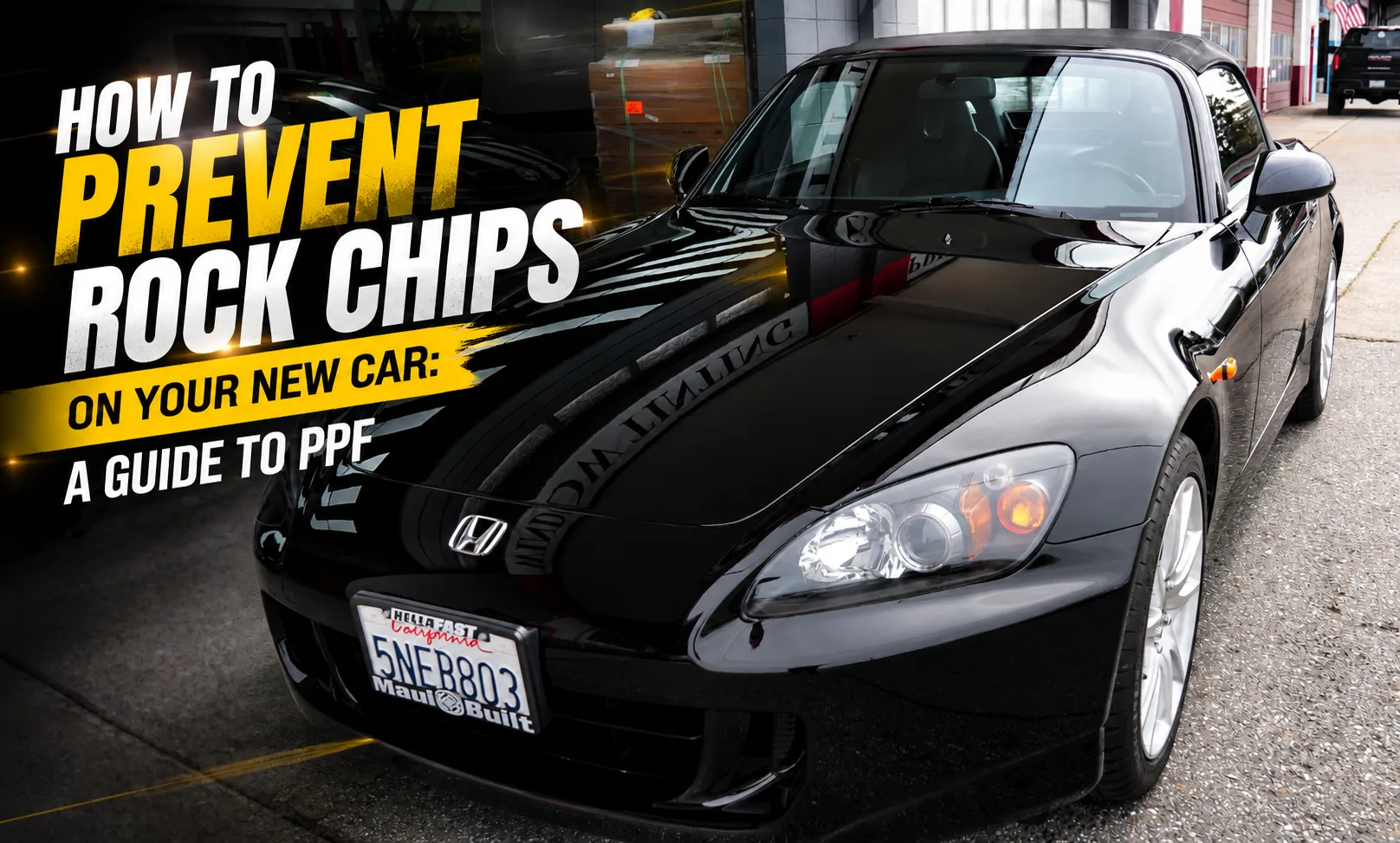
Discover the most effective ways to prevent rock chips on your new car and learn why paint protection film is the ultimate investment for long-term defense.
Read article