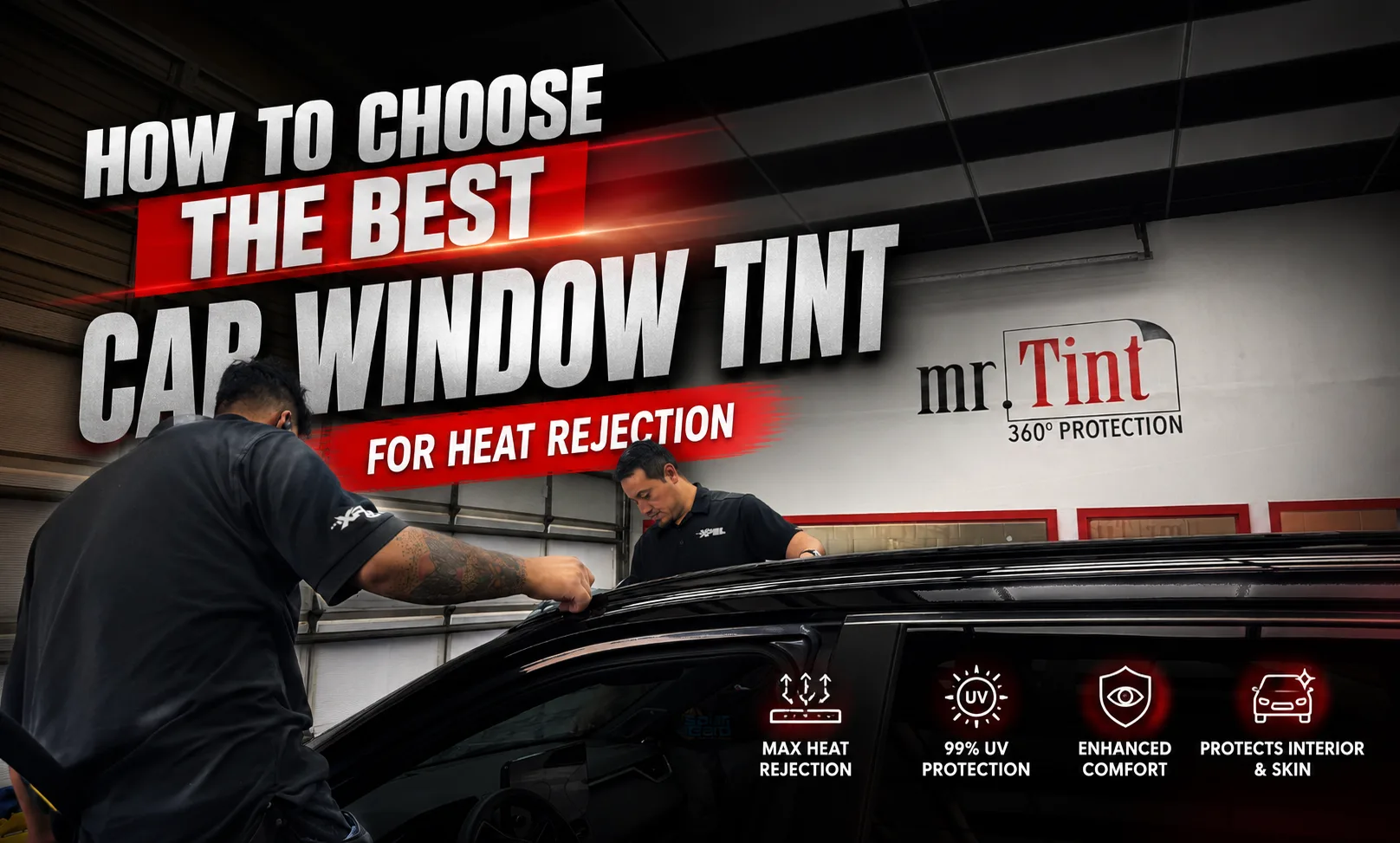
How to Choose the Best Car Window Tint for Heat Rejection
Learn how to choose the best car window tint for heat rejection and UV protection so you can keep your vehicle cool and avoid bubbling or legal issues.
Read articleStop dealing with intense car heat and glare. Learn how to choose legal window tint percentages that upgrade your ride and pass state inspection easily.
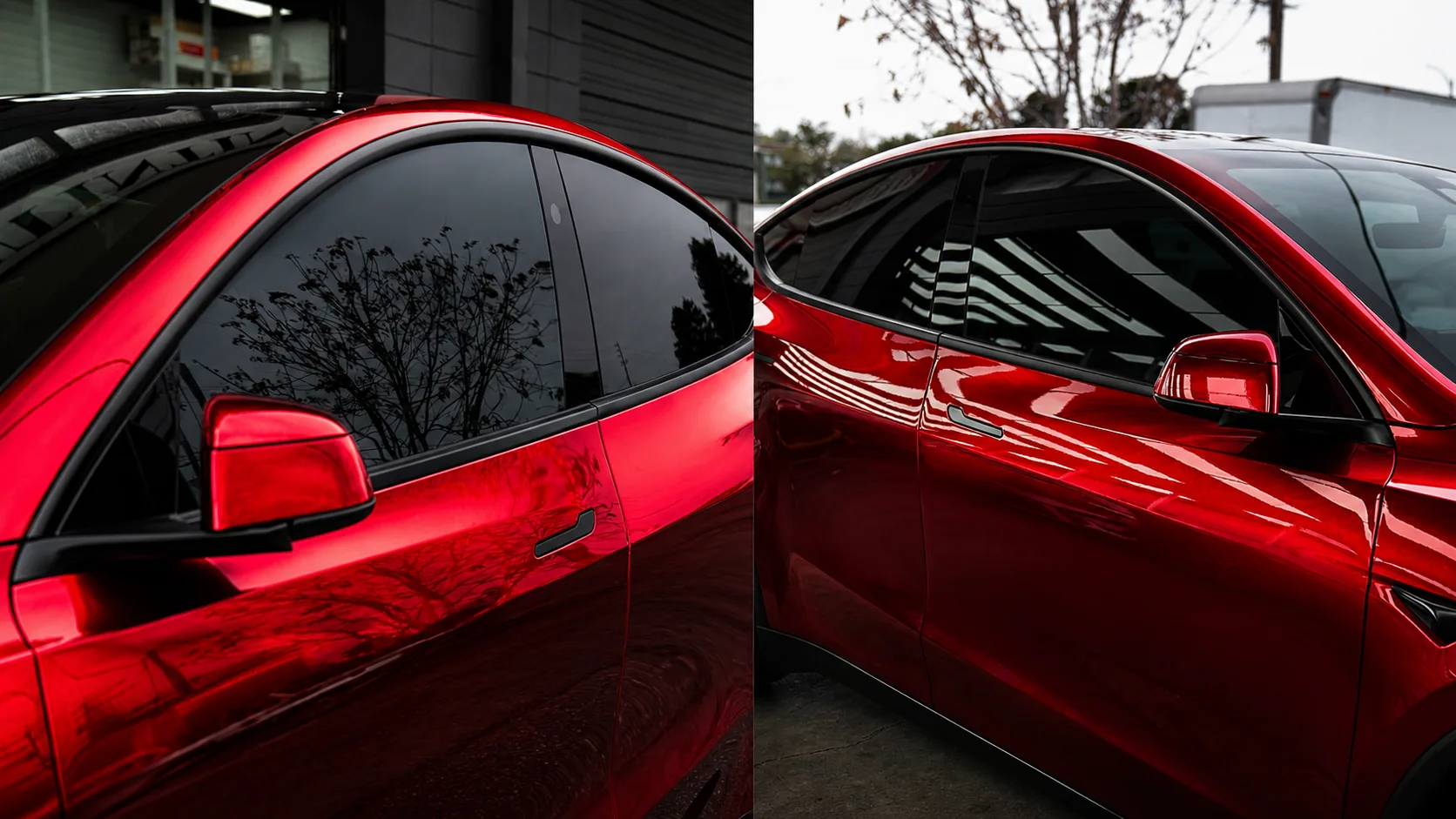
You step out of the office at 5:00 p.m., open your car door, and get hit by a wall of blistering heat. The steering wheel burns your hands, and the leather seats feel like an oven. It is an exhausting daily routine for thousands of drivers. Naturally, you start looking into window tinting to fix the problem. But as soon as you look online, you run into a confusing web of regulations, percentages, and acronyms. Finding the sweet spot between a sleek look, solid heat rejection, and compliance with local law can feel overwhelming. Understanding the local window tint percentages for your specific state is the crucial first step to getting the shade you want without risking an expensive traffic ticket.
Nobody wants to pay for a premium installation only to peel it off two weeks later because of a failed vehicle inspection.
Here is the thing. Film darkness is not just about looks; it is a regulated safety feature controlled by state statutes. This guide simplifies the selection process so you can upgrade your vehicle with confidence.
Window film darkness is measured by Visible Light Transmission, or VLT. This percentage tells you exactly how much daylight passes through the glass into your vehicle cabin. A lower VLT percentage means a darker film, while a higher percentage allows more natural light to enter. Think of it like a window screen or a pair of sunglasses. A screen with a loose weave lets most of the sunlight through, whereas a tight, dense weave blocks out the glare.
When a shop applies a 35% film, it allows only 35% of ambient light to pass through the glass, blocking the remaining 65%. A common point of confusion is assuming a factory window is completely clear. Most factory automotive glass already has a native tint built in, usually sitting around 70% to 80% VLT. When you layer an aftermarket film over that glass, the net darkness drops further. Professional installers use digital tint meters to measure this combined light transmission. Your final combined VLT must remain above your state legal limit to avoid compliance issues during routine traffic stops.
Investing in professional tinting does more than just alter the physical appearance of your vehicle. It addresses the core comfort issues that make daily commuting miserable.
Interior preservation. Extreme heat breaks down dashboards and cracks premium leather over time.
Unmatched skin protection. Finding the best window tint for UV protection safeguards your family from continuous solar radiation during long road trips.
Enhanced cabin privacy. Darker windows keep valuable tools, bags, and personal electronics hidden from opportunistic thieves looking through the glass.
Reduced eye fatigue. Cutting down morning and evening glare prevents squinting and improves road visibility.
To make an informed decision, look past aesthetics and focus on performance data. Quality films balance light transmission with specific thermal energy blocking capabilities.
99% UV Blocking: Standard dyed, carbon, and ceramic films must block this amount of harmful Ultraviolet A and B rays to protect skin and prevent interior fading.
35% Net VLT: The legal baseline for front side windows in a significant portion of US states, providing a balanced, smoky appearance.
50% to 65% Infrared Rejection: The thermal heat reduction range delivered by entry-level ceramic films, keeping the interior noticeably cooler.
5% VLT: Commonly known as limo tint, this ultra-dark shade restricts almost all visibility inside, usually restricted to rear windows or specific commercial vehicles.
When choosing car tint darkness, your daily driving habits and style preferences dictate the best choice. This breakdown shows how different common percentages function in the real world.
Choosing the right window tint percentage depends on balancing privacy, visibility, and local regulations. 50% VLT offers a subtle enhancement that closely resembles factory glass, making it a popular choice for driver and passenger side windows. It provides only a slight increase in privacy while maintaining excellent nighttime visibility, making it ideal for drivers who prioritize safety and a natural appearance.
For those looking for a darker look without sacrificing too much visibility, 35% VLT is one of the most common options. It is also the legal limit for front side windows in many states. This tint level delivers moderate privacy while still offering good visibility after dark, making it a well-rounded choice for everyday driving.
If increased privacy is your priority, 20% VLT is a popular selection. It closely matches the factory-tinted rear windows found on many SUVs and trucks, creating a uniform appearance across the vehicle. While it provides a high level of privacy, nighttime visibility becomes more limited, especially on poorly lit roads.
For maximum privacy and security, 5% VLT, often called limo tint, blocks nearly all outside visibility. It is commonly used on rear cargo areas, limousines, and vehicles where privacy is the primary concern. However, this extremely dark film significantly reduces visibility at night and is generally not recommended for front windows due to both safety concerns and legal restrictions.
Selecting your target percentage requires balancing these tiers. Drivers who travel frequently at night often favor a 50% or 35% shade to maintain clear visibility on unlit suburban roads. If daytime privacy and maximum solar protection are your main concerns, shifting toward the darker 20% range on rear windows provides the best balance.
The total cost of automotive window tinting services depends heavily on the size of your vehicle and the technology embedded in the film. A standard two-door coupe requires less material and labor than a multi-window full-size SUV.
Standard Carbon Packages: Expect a price range between $250 and $400 for a full vehicle application. These options provide excellent color stability and will not turn purple.
Premium Ceramic Upgrades: Prices generally range from $450 to $850. Ceramic technology utilizes nano-ceramic particles to reject massive amounts of infrared heat without needing to be pitch-black.
Beware of cut-rate mobile operators offering full-car tint jobs for $99. These cheap dyed films quickly break down under sun exposure, leading to ugly adhesive failure, bubbling, and a purple hue that ruins your vehicle's resale value.
Staying within the boundaries of local transportation laws saves you from unnecessary headaches. Each state governs its roadways differently, meaning a legal shade in New Mexico could land you a fix-it ticket in California.
Check state-specific statutes. Sedans, SUVs, and trucks are often subject to entirely different rules regarding rear window darkness limits.
Mind the AS1 line. Front windshield tinting is generally restricted to the top few inches of the glass, demarcated by a small etched manufacturer mark.
Respect the curing window. Leave your windows rolled completely up for at least three to five days post-installation to let the mounting adhesive fully bond.
Avoid ammonia-based glass cleaners entirely after installation, as the harsh chemicals will slowly strip the protective hard coat off the window film.
If an officer measures your windows with a tint meter and finds the VLT drops below the state threshold, you face a fine. In many jurisdictions, this is a fix-it ticket, requiring you to scrape off the film and show proof of compliance to the court.
Most states prohibit aftermarket tint across the entire front windshield, allowing film only above the factory AS1 line. However, clear ceramic films that register at 70% to 80% VLT are occasionally permitted if you possess a certified medical exemption for extreme sun sensitivity.
No, ceramic film relies on advanced material science rather than dark pigment to block thermal energy. A nearly clear 70% ceramic film can reject more heat than a cheap 5% dyed film, making it an excellent option for drivers who want comfort without changing their vehicle's look.
Premium carbon and ceramic films do not interfere with electronic signals because they contain zero metal elements. Older, traditional metallic films can cause dropped calls or spotty navigation, which is why modern shops favor non-conductive materials.
Choosing the right shade does not have to be a guessing game that risks an expensive ticket. Balancing your visual preferences with the local regulations ensures your vehicle stays legal, protected, and comfortable for years to come. At Mr Tint, our certified technicians take the guesswork out of the entire installation process. We walk you through local tint regulations, demonstrate film shades in person, and deliver a factory-edge finish backed by a lifetime warranty on premium materials. Stop driving an oven every afternoon. Drive cooler. Live cooler. Look cooler. Contact Mr Tint today to schedule your personalized consultation and get an accurate quote for your vehicle.
Learn how to choose the best car window tint for heat rejection and UV protection so you can keep your vehicle cool and avoid bubbling or legal issues.
Read article
Discover how colored paint protection film shields your vehicle from road debris while giving it a striking, premium new look.
Read article
A ceramic coating makes summer car care easier, not optional. Here's how to wash, protect, and get the most from your coating through San Jose's hottest, ashiest months.
Read article
Discover the most effective ways to prevent rock chips on your new car and learn why paint protection film is the ultimate investment for long-term defense.
Read article
With San Jose summer electricity rates running well above winter, the west-facing glass on your storefront or office is quietly driving your cooling bill. Here's how commercial window film pays for itself.
Read article