How to Choose the Right Window Tint Percentage Without Breaking the Law
Stop dealing with intense car heat and glare. Learn how to choose legal window tint percentages that upgrade your ride and pass state inspection easily.
Read articleLearn how to choose the best car window tint for heat rejection and UV protection so you can keep your vehicle cool and avoid bubbling or legal issues.
You step into your parked sedan after an hour under the afternoon sun, and the blast of trapped heat hits your face like an open oven. The leather steering wheel burns your hands. The AC vents blow warm air for five grueling minutes before offering relief. You lower the windows, turn the dial to maximum, and wonder why the dark factory glass overhead does almost nothing to stop the heat.
Here is the truth: dark glass is not heat-blocking glass.
Finding the best car window tint for heat rejection requires looking beyond shade darkness to understand infrared energy, film materials, and solar specs. This guide cuts through marketing jargon so you can select a film that keeps your cabin comfortable, protects your leather interior, and stays completely legal.
Solar energy hits your vehicle windows in three distinct bandwidths: visible light, ultraviolet (UV) radiation, and infrared (IR) light. Standard clear auto glass blocks a small portion of UV rays, but it lets nearly all infrared heat pass straight into your interior. Darkened factory privacy glass on trucks and SUVs uses dye to shade the interior, but it lacks the active solar barrier needed to stop heat.
True heat rejection happens at the molecular level. Modern window films use engineered microscopic layers—either carbon particles or non-metallic ceramic nanoparticles—to capture or reflect solar energy before it penetrates the cabin glass.
Think of basic dyed film like a black t-shirt on a hot day: it absorbs visible light and gets hot itself, eventually radiating that heat inward. Ceramic film acts like an insulated thermal thermos, actively reflecting and blocking the invisible infrared spectrum while letting clear, usable light pass through.
Investing in a premium thermal barrier changes your daily drive in several immediate ways:
Rapid cabin cooling reduces the workload on your vehicle compressor so your AC cools the interior in seconds rather than minutes.
Long-term interior protection prevents expensive dashboard cracking, leather hardening, and upholstery fading caused by daily solar exposure.
Total UV protection shields your skin from 99% of damaging UVA and UVB rays during long highway commutes.
Reduced harsh glare decreases eye strain during direct sunrise or sunset driving conditions.
Sustained energy savings improves fuel economy and electric vehicle battery range by reducing climate control power demands.
When reading manufacturer specification sheets, look past the visible light transmission percentage and focus on total solar performance ratings.
The metric that dictates true thermal comfort is Infrared Rejection (IRR) combined with Total Solar Energy Rejected (TSER).
Three numbers determine how a film performs on a hot day:
Total Solar Energy Rejected (TSER): Measures the total percentage of solar energy (UV, visible light, and infrared) rejected by the glass assembly. Standard dyed films offer a TSER of 35% to 45%, while advanced ceramic films achieve a TSER between 55% and 70%.
Infrared Rejection (IRR): Measures the film's ability to block the primary heat-generating infrared spectrum (780 to 2,500 nanometers). Premium nano-ceramic films reach 85% to 98% IRR, compared to under 30% for basic entry-level films.
Ultraviolet Rejection: Standard automotive window films block 99% of UV radiation, equivalent to applying SPF 1000 sunscreen to your glass.
Not all window films are manufactured using the same materials. The technology inside the film determines how well it rejects solar heat over time without fading, turning purple, or interfering with electronics.
Window tint films vary in performance based on their materials. Dyed films offer basic heat reduction at an affordable price, while Carbon films provide better durability and improved heat rejection. Ceramic films deliver superior infrared heat blocking, excellent optical clarity, and lifetime color stability without interfering with electronic signals. Nano-Ceramic films represent the latest technology, offering exceptional heat rejection, maximum comfort, and long-lasting performance for drivers who demand the best.
When evaluating ceramic vs carbon window tint, carbon provides a clean matte-black look with decent heat rejection. Ceramic uses non-conductive ceramic particles small enough to be invisible to the human eye, yielding maximum infrared blocking without requiring ultra-dark glass.
Quality installations require clean environment prep, precise glass scaling, and certified handling. Prices vary based on vehicle glass size, curved rear windows, and film tier.
Standard Dyed Film (Complete Vehicle): $180 to $280. Low heat rejection, basic privacy.
Carbon Film (Complete Vehicle): $280 to $420. Solid color retention, moderate solar performance.
Premium Ceramic Film (Complete Vehicle): $450 to $700. High heat rejection, 99% UV blocking, long life.
Nano-Ceramic / Infrared Tier (Complete Vehicle): $700 to $1,100+. Maximum TSER performance, near-total IR blocking.
Windshield Ceramic Add-on: $150 to $300. Crucial for front-end solar protection.
Choosing your film type is only half the battle. You must also balance optical clarity, legal restrictions, and cure times.
Understand VLT Limits: Visible Light Transmission (VLT) indicates how light or dark the film is. A 35% VLT film lets 35% of light through. Knowing how to choose car window tint percentage means checking your local state regulations first. Most states strictly regulate front side window darkness—often requiring 35% or 50% VLT—while allowing darker shades on rear windows.
Front Windshield Solar Control: The windshield is your vehicle's largest glass panel and primary heat entry point. Installing a virtually clear (70% to 80% VLT) nano-ceramic film on the windshield blocks massive amounts of heat without reducing nighttime driving visibility.
Proper Cure Time: Window film utilizes a pressure-sensitive wet adhesive during application. Allow 3 to 5 days of cure time in warmer weather—or up to 2 weeks in cold weather—before rolling windows down. Small water pockets or a slight hazy film during this phase are completely normal.
Cleaning Requirements: Never use ammonia-based window cleaners on tinted glass. Ammonia breaks down top-coats over time. Use an ammonia-free cleaner paired with a clean microfiber cloth.
No. Shade darkness (VLT) does not dictate thermal performance. A virtually clear 70% nano-ceramic windshield film can reject significantly more heat than a dark 5% dyed film because ceramic particles specifically target infrared light rather than just visible light.
No. Modern ceramic films are 100% non-metallic and non-conductive. Unlike older metallic films that blocked cellular, radio, and satellite signals, ceramic films allow 5G, GPS, Bluetooth, and tire-pressure monitoring signals to pass through freely.
Purple film occurs when inexpensive organic dyes break down under constant solar UV exposure. Bubbling happens when budget adhesives fail and gas gets trapped between the glass and film layer. Certified professional films use inorganic pigments and stable mounting adhesives backed by manufacturer warranties.
Selecting the right solar film comes down to matching your budget with your comfort expectations. If you want maximum relief from intense summer temperatures, choosing a high-TSER ceramic or nano-ceramic film pays off every single time you open your car door.
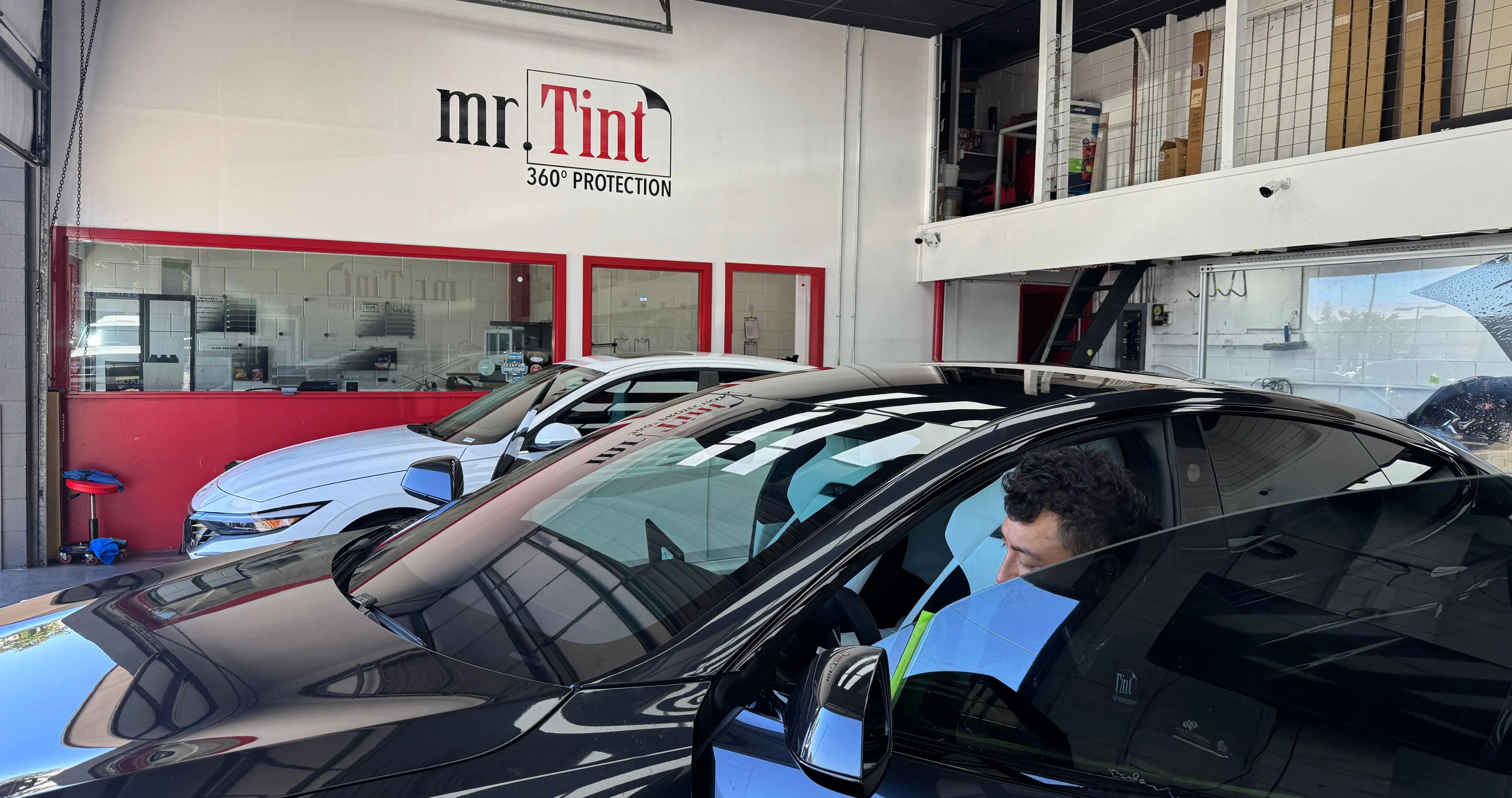
At Mr Tint, we believe in professional tinting done right—the first time. Our certified installers work with premium, factory-backed films in a dust-controlled environment to deliver a factory-edge finish on every installation.
Ready to stop driving an oven? Contact our team today for a free custom quote and let our experts help you choose the perfect legal tint setup for your vehicle.
Stop dealing with intense car heat and glare. Learn how to choose legal window tint percentages that upgrade your ride and pass state inspection easily.
Read article
Discover how colored paint protection film shields your vehicle from road debris while giving it a striking, premium new look.
Read article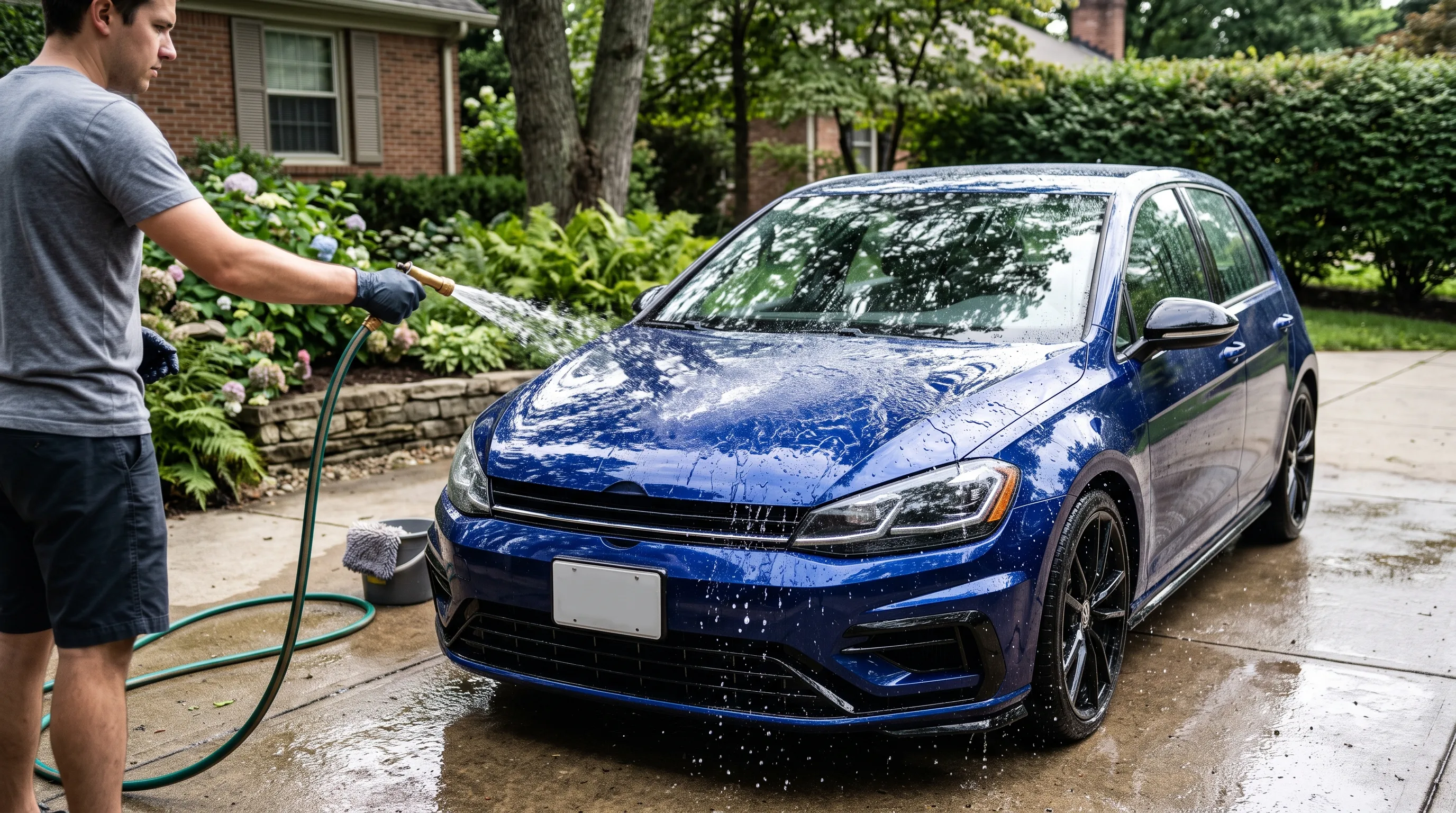
A ceramic coating makes summer car care easier, not optional. Here's how to wash, protect, and get the most from your coating through San Jose's hottest, ashiest months.
Read article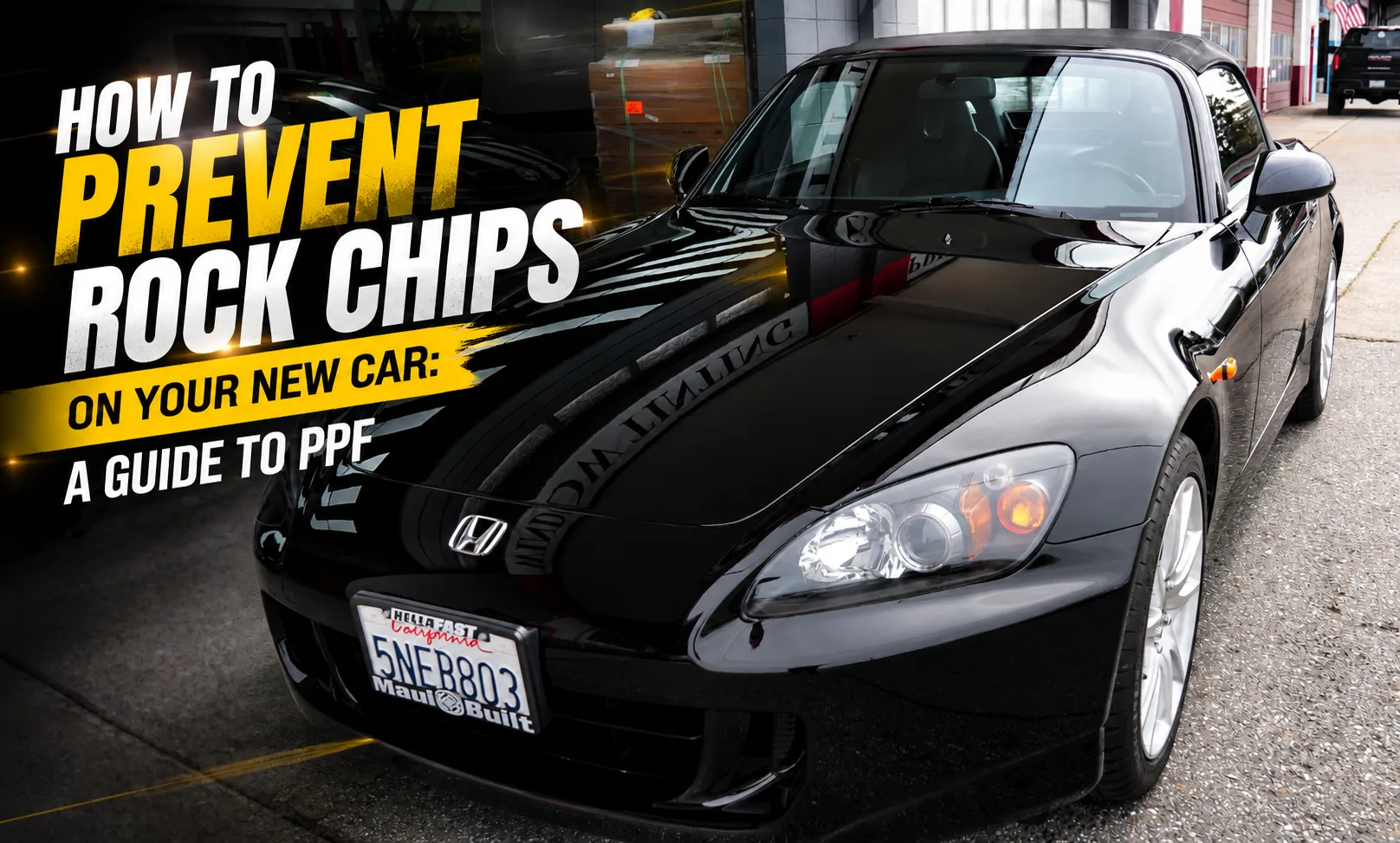
Discover the most effective ways to prevent rock chips on your new car and learn why paint protection film is the ultimate investment for long-term defense.
Read article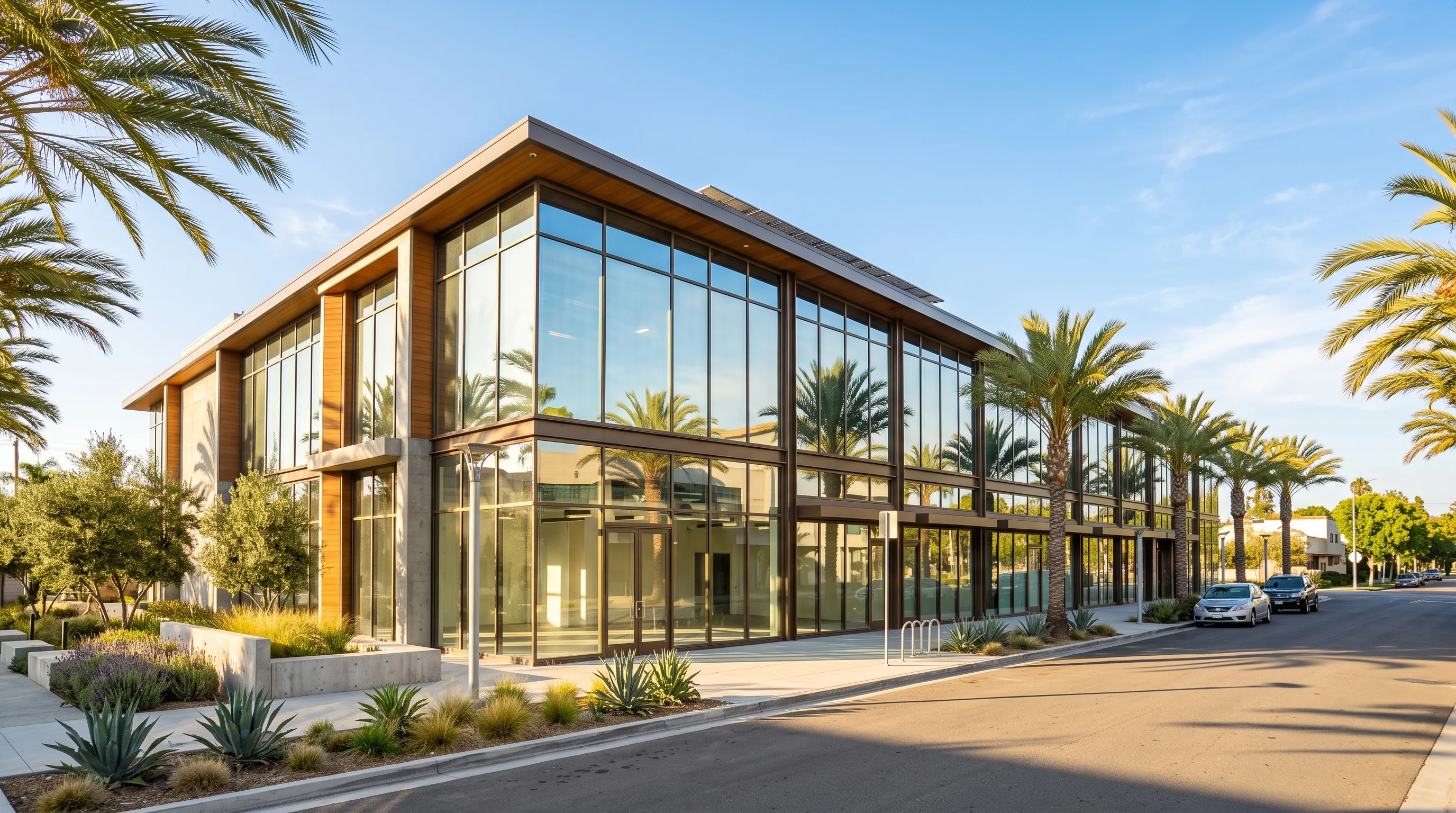
With San Jose summer electricity rates running well above winter, the west-facing glass on your storefront or office is quietly driving your cooling bill. Here's how commercial window film pays for itself.
Read article